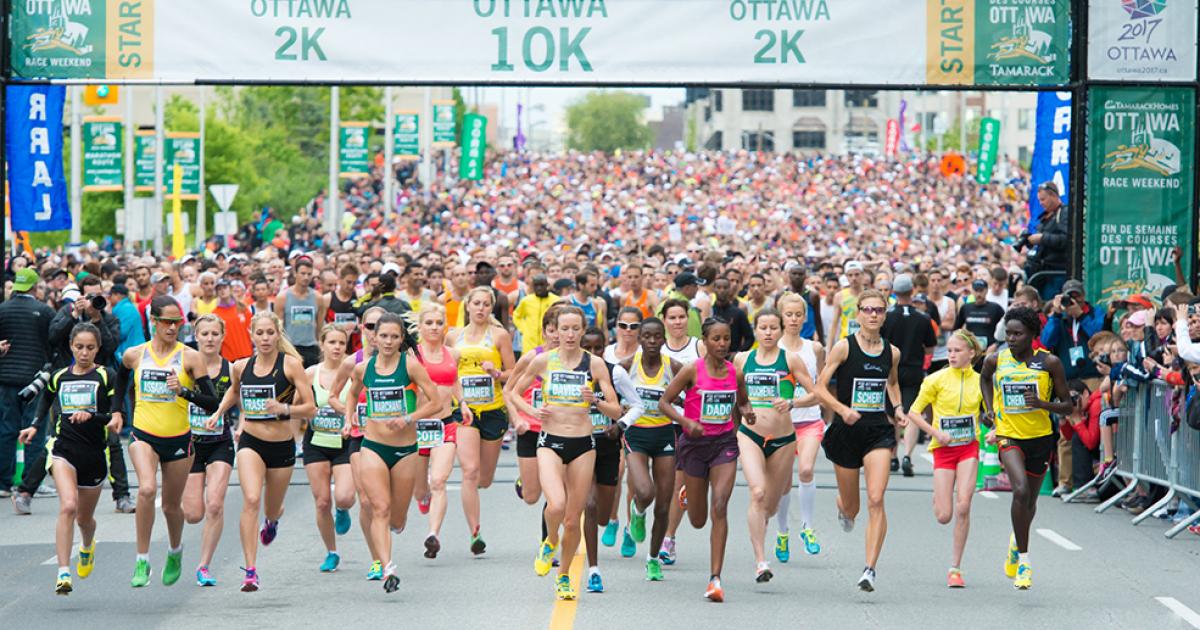

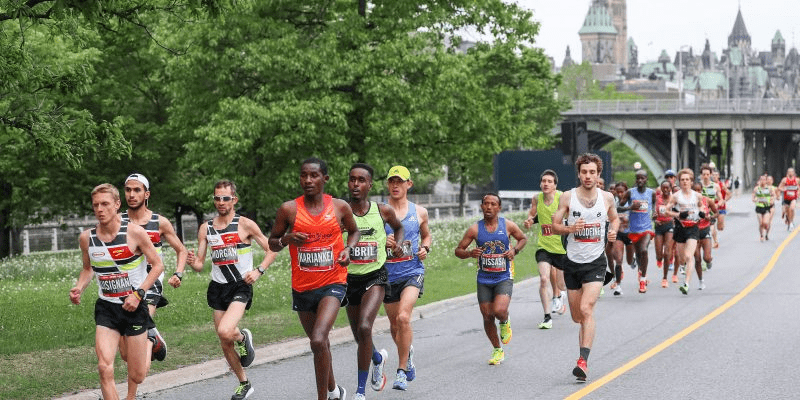
The National Capital Marathon is Canada’s most popular multi-day running event. Each May, over 40,000 participants compete along Ottawa’s picturesque routes. Discover the story of this remarkable event on iottawa.net.
How It All Began
The highly anticipated Ottawa Race Weekend, also known as the Tamarack Ottawa Race Weekend thanks to its sponsor Tamarack, Scotiabank, traditionally takes place on the last weekend of May in Canada’s capital.
This two-day event features seven races, including the prestigious Ottawa Marathon. All races start and finish near Ottawa’s City Hall.
The first Ottawa Marathon was held in 1975 and is recognized as an Elite Label Road Race World Athletics event. Each year, over 40,000 participants take part, making it a cornerstone of Ottawa’s athletic calendar.
In addition to the marathon, the event includes Canada’s largest Health and Fitness Expo. Every year, participants raise over $1 million for charity, supporting both local and national organizations. For instance, in 2010, $904,521 was raised and donated to the Ottawa Hospital Foundation.
The Evolution of Ottawa Marathons
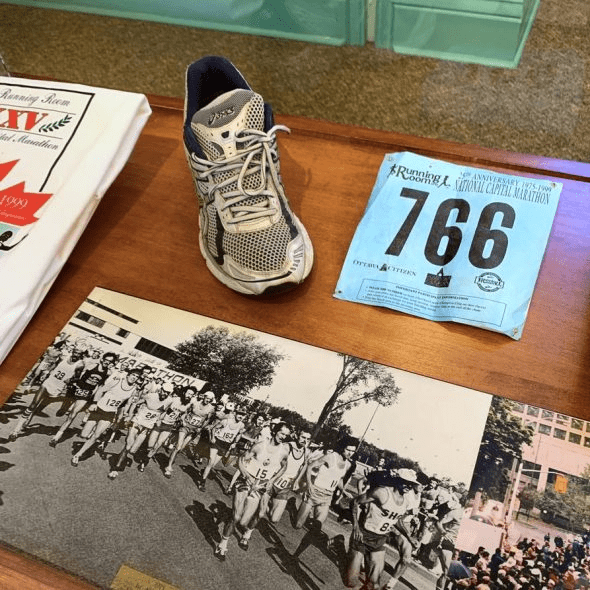
Since its debut in 1975, the marathon has evolved significantly. The inaugural event featured 146 participants (143 men and 3 women). Over the years, the marathon has expanded and adapted:
- 1986: A new 10 km distance was added.
- 1995: Inline skating was allowed for marathon participants but was discontinued in 2005.
- 1996: Jim Robinson joined as race director, ushering in new leadership.
- 1998: The event introduced 5 km and half-marathon (21.1 km) distances. Ottawa became the first in Canada to implement official timing at these events.
- 1999: A 2 km distance was added.
- 2006: Fourteen runners accidentally veered 400 meters off course, rendering their results unofficial. While some received prizes, others were offered compensation.
- 2010: Rick Ball set a world record for a single-leg amputee marathon runner.
- 2012: John Halvorsen, a two-time Olympian and former Ottawa record-holder, succeeded Jim Robinson as race director.
- 2013: Over 44,000 participants took part.
Rick Ball’s Record-Breaking Victory
Rick Ball’s performance in 2010 remains a landmark moment in Ottawa Marathon history. Despite having a single leg, the runner from Orillia, Ontario, shattered the three-hour mark, setting a new world record and inspiring countless others.
Celebrating 40 Years of the Ottawa Marathon
In 2014, the Ottawa Marathon celebrated its 40th anniversary, drawing nearly 48,000 participants to its seven events.
Two years later, scorching temperatures of over 30°C forced adjustments to event schedules. In 2019, construction on Elgin Street necessitated a route change, and Ian Fraser became the race’s new director.
Unfortunately, the traditional races were cancelled in 2020 and 2021 due to the COVID-19 pandemic. Despite prepayments from many participants, organizers cited significant expenses and declined refunds. In 2024, the Ottawa Marathon will celebrate its 50th anniversary.
Ottawa Marathon Race Distances
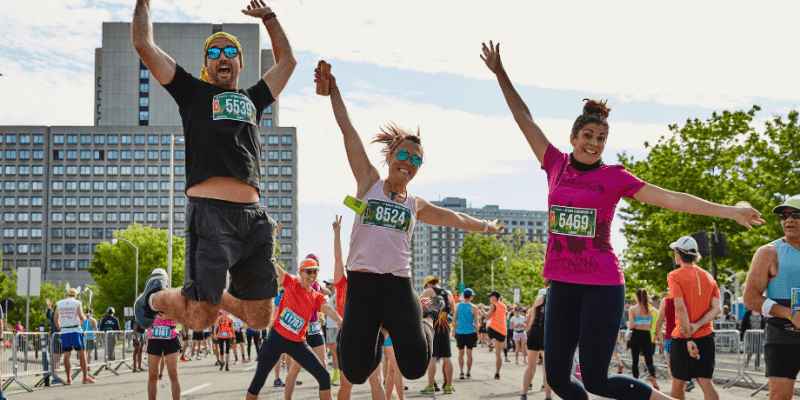
The event offers a range of distances to suit participants of all ages and abilities:
- Children’s races: 1.2 km, 2 km, 5 km, and 10 km.
- Half-marathon: A 21.1 km road race covering half the marathon distance.
- Wheelchair marathon.
- Full marathon.
The National Capital Marathon is Canada’s largest running event. Organized by the non-profit Run Ottawa, the event relies on over 2,000 volunteers, including a dedicated race committee and a team of staff members.
Ottawa’s Sports Hall of Fame Exhibition
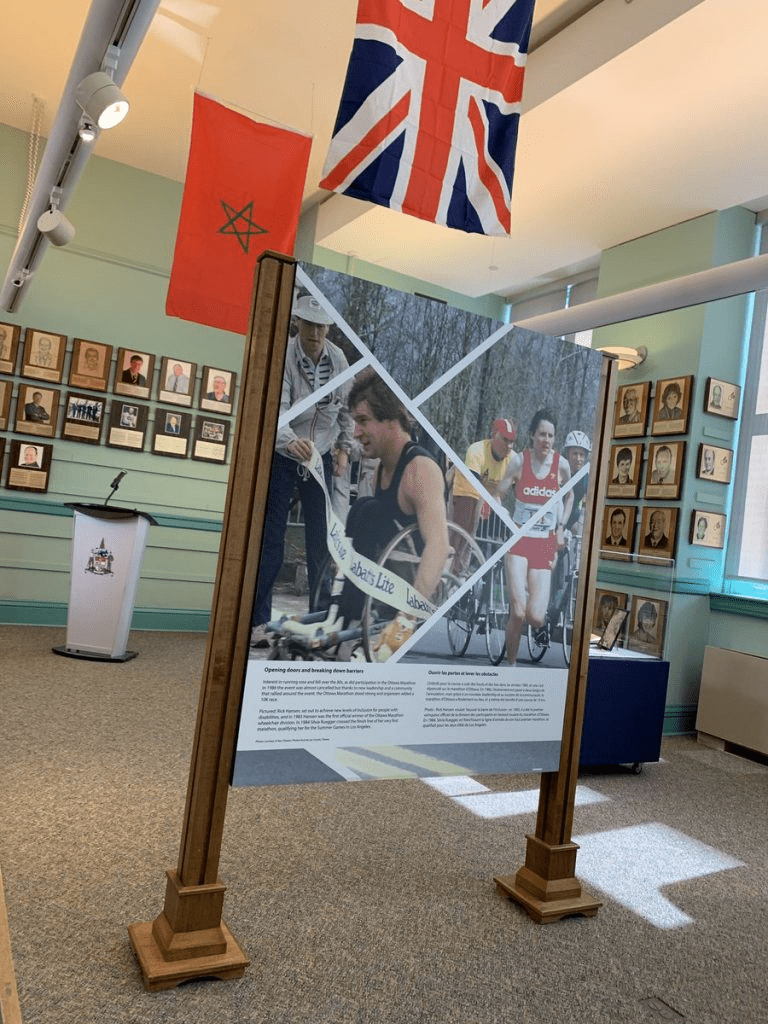
In 2019, the Heritage Building at City Hall hosted an exhibition titled “Ottawa Marathon: 45 Years of Running.” Visitors enjoyed a nostalgic journey through photos of legendary runners and pioneers of Ottawa’s running community.
The exhibition highlighted the marathon’s growth, from its humble beginnings to its current prominence. As Fred Pelletier, a marathon board member since 1995, stated:
“This event is for everyone, and we all share in its success.”
John Halvorsen, renowned for his athletic achievements and race records, also supported the exhibition, emphasizing its role in uniting the community.
Ottawa’s Fastest Woman: Becky Peterson
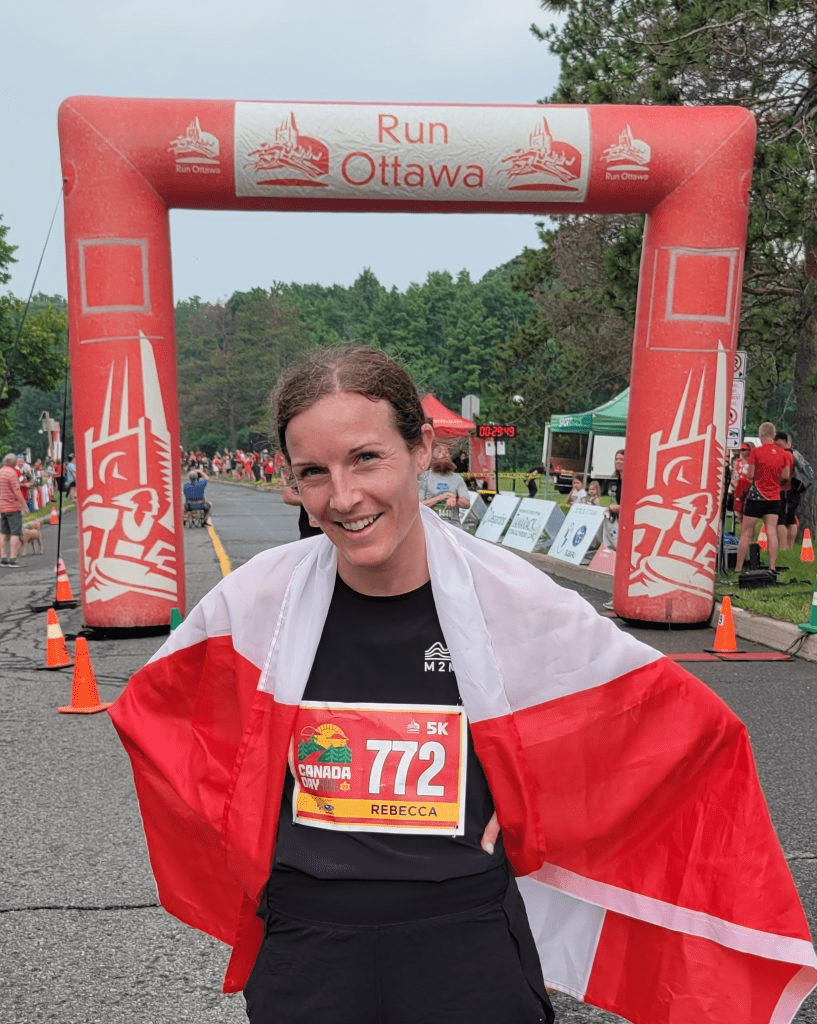
Becky Peterson has become a local running legend. Encouraged by her parents, who paid her $5 for each sport she tried, Becky discovered her passion for running in university.
In 2023, she earned first place among women at the Ottawa Marathon, securing her title for the second consecutive year. Becky’s race strategies emphasize pace control, and she offers these tips for aspiring runners:
- Enjoy the process: The key to success is finding joy in running.
- Consistent practice: Improvement comes through regular training. Becky’s long runs range from 1.5 to 2 hours.
- Set clear goals: A defined objective provides motivation during races.
- Appreciate your body’s abilities: Regardless of your placement, finishing a race is a significant accomplishment.
A Citywide Celebration
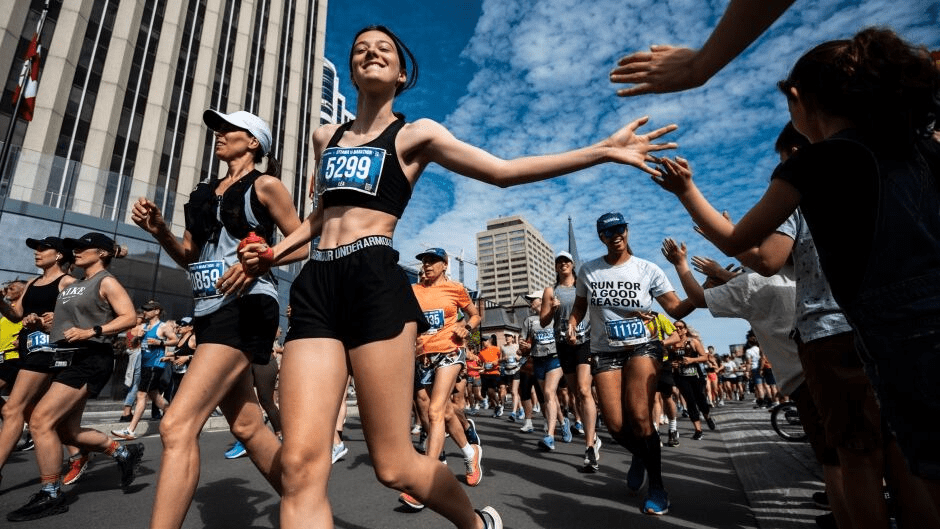
For many Ottawa families, the marathon has become a shared tradition, involving parents, children, and even grandparents.
The National Capital Marathon means different things to different people—competition for some, enjoyment and support for others. Ultimately, it is an event that unites the city, showcasing the community’s shared passion for running and active living.