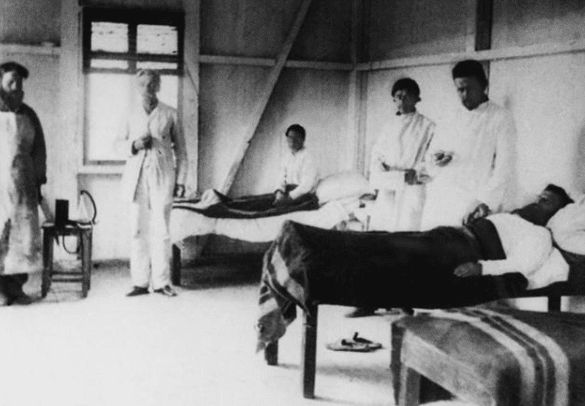

In the 19th century, when Bytown was just founded, its population of over 7,000 people was served by only one doctor and one pharmacist. The settlement’s first hospital had just 20 beds. Learn how Bytown’s medical system evolved on iottawa.net.
Development of Medicine in Canada
In early Canada, the healthcare system was extremely underdeveloped. There were no hospitals or competent doctors on whom residents could rely. Many Canadians had arduous jobs, such as working in sawmills during harsh winters. The 17th and 18th centuries were tough times for the inhabitants of what is now Ottawa. They often faced hunger, endured severe cold, and suffered illnesses. With no organized healthcare, they were forced to treat themselves.
In the early 1800s, as Canada began developing its national infrastructure, efforts to provide quality healthcare services also started. During this period, temporary hospitals were established, and physicians from Europe began arriving. Healthcare became a national priority as every citizen was considered an invaluable resource for the growing country.
By the 19th century, Canadians endured numerous challenges, diseases, and epidemics. These hardships laid the foundation for the healthcare system we know in the 21st century.
Bytown’s First Medical Facility
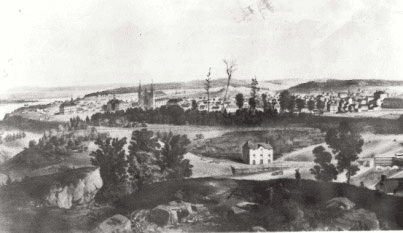
In the 19th century, shortly after Bytown was established, its first medical facility—a military hospital—was opened. This hospital had only 20 beds for a population of approximately 7,000 residents.
The first medical facility in Bytown was founded by John By, the Royal Engineer responsible for building the Rideau Canal. The settlement itself was named after him. The military hospital opened in 1826, located on a hill that is now home to Ottawa’s government district.
The military hospital operated between 1826 and 1831. It primarily admitted residents in critical condition. In the early 19th century, such emergencies often included outbreaks of:
- Typhus
- Malaria
- Cholera
Epidemics struck Bytown multiple times in the 19th century, notably in 1827, 1832, and 1847.
Bytown’s First Registered Doctor
Dr. Christie A.J. arrived in Bytown in 1827 as a military doctor assigned to the Rideau Canal construction workers. He became the first officially registered doctor in the area.
After the canal’s completion in 1832, Dr. Christie decided to remain in Bytown. He dedicated himself to advancing medicine in the young settlement, which had a poorly developed healthcare system in the first half of the 19th century. His contributions significantly improved Bytown’s medical system. In 1836, he also established a local newspaper. Dr. Christie worked tirelessly in the medical field until his death in 1843.
During this period, being a doctor was an incredibly challenging profession. Epidemics frequently emerged, medical supplies were scarce, and payments often came in the form of food, such as beer, bacon, chickens, or household chores.
Bytown’s Medical System During Epidemics
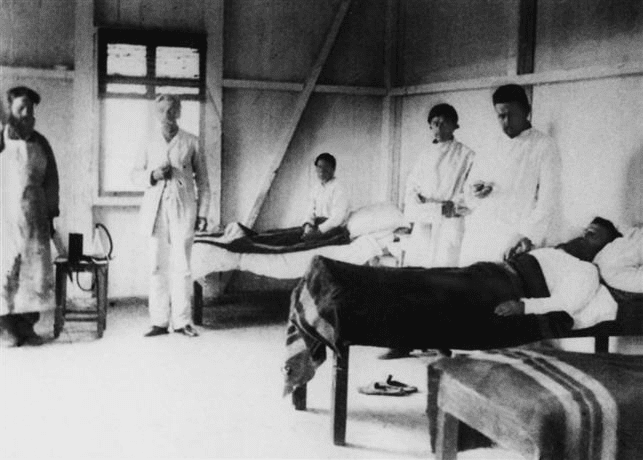
Bytown’s healthcare system underwent significant changes during epidemics. When its residents faced mortal threats, local doctors worked tirelessly to improve the settlement’s medical infrastructure.
The most devastating epidemic in Bytown’s history was the cholera outbreak in 1832. During this time, the medical system underwent significant reforms.
The military hospital, opened by John By in 1826, could no longer handle the growing demand and was closed. In its place, a temporary wooden hospital was built in 1832 on the site of what is now the Royal Canadian Mint. This wooden hospital was the first facility specifically constructed to meet Bytown’s civilian medical needs.
Additionally, the Lieutenant Governor of Upper Canada, John Colborne, initiated the establishment of Bytown’s first Board of Health. The board was led by Dr. Christie A.J., Bytown’s first official doctor.
During the 1832 cholera outbreak, the Board of Health ordered the closure of all schools and public buildings to prevent the disease’s spread. In Bytown’s hospitals, 15 out of 35 cholera patients died during the epidemic.
By 1834, the wooden hospital built to serve Bytown’s medical needs was decommissioned and sold for firewood.
Medicine in Bytown Under the Sisters of Charity
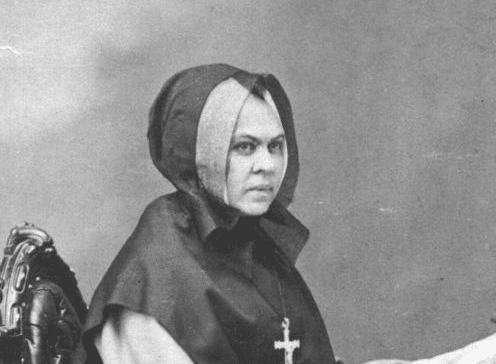
In 1845, nuns from the Sisters of Charity arrived in Bytown, led by Sister Élisabeth Bruyère. Following the closure of the wooden hospital, the Sisters opened Bytown’s first public and general hospital in 1845. This facility was small, with only seven beds.
The Sisters regularly visited patients and cared for their health. Thanks to their efforts and Sister Bruyère’s leadership, Bytown’s medical system began to transform. However, in the 1840s, the hospital faced a significant challenge: a lack of beds. Their seven-bed facility was far too small for a rapidly growing settlement. The Sisters spearheaded efforts to construct a larger general hospital.
To build the new hospital, the Sisters gathered signatures from Bytown residents and petitioned the Canadian government. The government offered 14 potential sites for the new hospital. The Sisters chose the site of their existing small hospital.
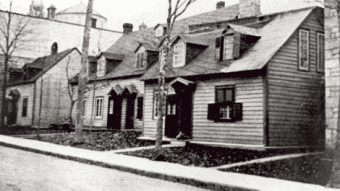
Between 1847 and 1848, Bytown faced another devastating epidemic—this time, typhus. The epidemic was caused by a massive influx of migrants, many of whom perished during their journey to Canada.
The Sisters’ hospital was completed in 1847. Their efforts inspired other religious communities to petition for the construction of additional general hospitals. The second half of the 19th century marked a turning point for Bytown’s healthcare system. More medical facilities were established, new doctors arrived, and healthcare became more accessible to the settlement’s residents.
Bytown’s Department of Health was formally established in 1851. Soon after, the settlement’s first stone hospital was constructed in the northwest corner of Rideau and Wurtemburg Streets.
Each of these individuals and groups made invaluable contributions to developing healthcare in what is now Ottawa. Thanks to their efforts, modern Ottawa residents enjoy comprehensive medical services.
Ottawa’s healthcare system has faced many trials. Early settlers relied on self-treatment until Bytown’s first doctors arrived. Even with their presence, the medical system remained challenging, as doctors often worked without adequate facilities or supplies. These were particularly difficult conditions during epidemics. Despite these challenges, Bytown’s healthcare system continued to evolve, ultimately laying the foundation for the advanced medical services available in Ottawa today.