Maternity hospitals in Ottawa appeared only at the end of the 19th century. Before their establishment, women in Canada’s capital had to give birth at home, often without any external assistance. This was a challenging and dangerous time for pregnant women in 19th-century Ottawa. Learn more on iottawa.net.
Home Births in the 19th Century
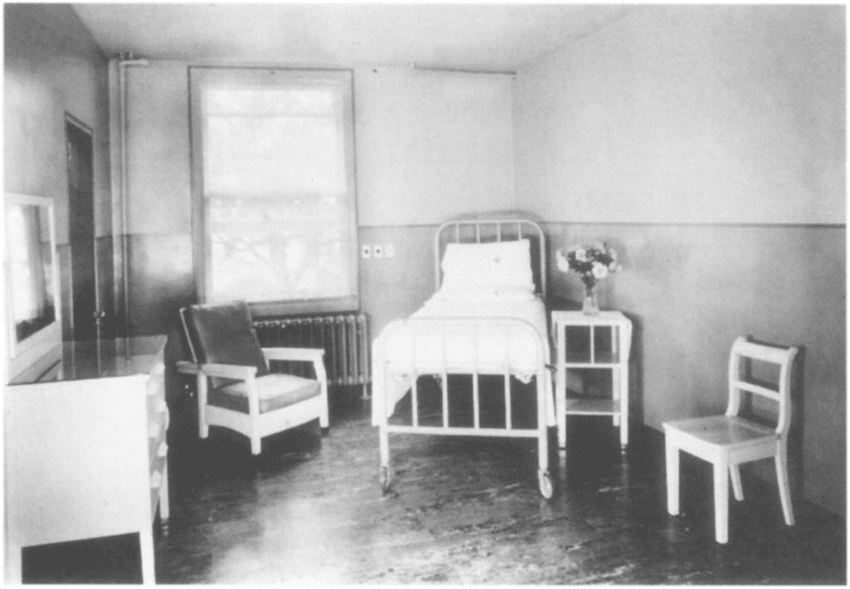
In the 19th century, childbirth in what is now Ottawa was extremely difficult and often dangerous for both mothers and babies. All women gave birth at home, typically experiencing five to eight pregnancies in their lifetime. The risk of maternal death was alarmingly high, with a 1 in 8 chance of dying during childbirth. Such tragedies were considered normal at the time. Women faced pregnancy with fear, knowing the risks to their lives and their children’s. Many children did not survive past the age of five, with some families losing three out of ten children in infancy.
Establishing a Maternity Hospital
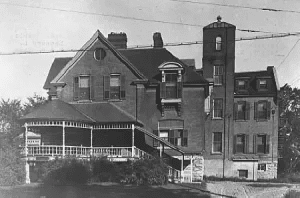
Ottawa’s first maternity hospital was established in 1894. Located at the intersection of Rideau and Wurtemburg Streets near the Rideau River, it accommodated 24 beds for expectant mothers. The hospital was closely associated with the Lady Stanley Institute for Trained Nurses and operated as an independent healthcare system until 1924.
More maternity hospitals began opening toward the late 19th and early 20th centuries, largely funded by donations from Ottawa’s elite. Compared to other major Canadian cities like Toronto and Montreal, where maternity hospitals had existed since the 1840s and 1850s, Ottawa lagged significantly. In England and France, such facilities had been established even earlier, in the 18th century.
Although Ottawa was Canada’s capital, its healthcare system for expectant mothers lagged behind by decades. Recognizing this gap, the city’s elite worked tirelessly through donations to accelerate the opening of the first maternity hospital.
Founders of the Maternity Hospital
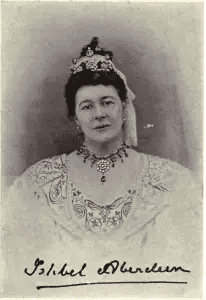
The Ottawa Maternity Hospital was funded by donations from the city’s elite, including Lady Aberdeen, who played a crucial role in advancing healthcare for Ottawa’s mothers.
Lady Aberdeen was a prominent social reformer in the 19th century, deeply involved in charitable organizations supporting women. She was the first president of the International Council of Women, founded the National Council of Women of Canada, sponsored the Women’s Art Association of Canada, and supported the creation of the Victorian Order of Nurses.
When Lady Aberdeen learned that Ottawa lacked a maternity hospital while other Canadian cities had such facilities for decades, she was astonished. Her advocacy expedited the planning and establishment of Ottawa’s maternity hospital.
Purpose of the Maternity Hospital
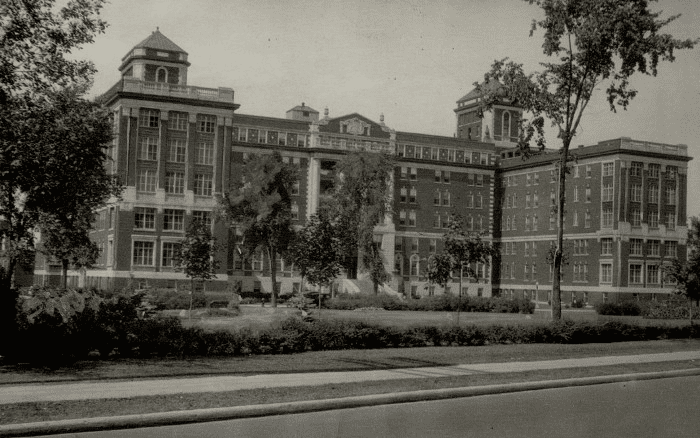
The creation of maternity hospitals in Ottawa, as in other Canadian, American, and European cities, had a significant moral and social purpose. The hospital collaborated with the Ottawa Women’s Christian Home to support single mothers, including women who had recently been released from prison or worked in the sex trade.
The hospital was also intended to serve Ottawa’s residents by ensuring a more relaxed and safer birthing environment. Poor women, who often lacked adequate rest during pregnancy and postpartum, faced significant health risks. By providing a safe and supportive environment, the hospital aimed to improve outcomes for both mothers and babies.
Lady Aberdeen envisioned the hospital as a place to support vulnerable women and their children, helping them become productive citizens of Canada’s capital. Medical consultations throughout pregnancy were essential for monitoring the health of both mother and child.
The maternity hospital also served as a training ground for nurses, offering obstetric education for those from Ottawa’s other hospitals. This ensured that trained professionals could provide care both within and beyond the hospital.
Challenges Faced by Maternity Hospitals

Despite its noble goals, Ottawa’s maternity hospital encountered challenges, including cases of pre- and postnatal fever. Infections were common due to lowered immunity in mothers and unsanitary practices, with healthcare workers inadvertently spreading bacteria. Even though sanitary measures were implemented, infections remained a persistent issue.
The Ottawa Maternity Hospital was smaller than its European counterparts, which contributed to lower mortality rates. Between the late 19th and early 20th centuries, the hospital treated over 2,000 women, with only 20 maternal deaths recorded.
Hospital Births
With the establishment of Ottawa’s first maternity hospital, more women began seeking professional medical care during childbirth. They no longer risked their health and their baby’s lives by giving birth at home. The first women to use the hospital were often single or poor, as well as immigrants who lacked proper facilities for childbirth.
By the 1930s and 1940s, nearly all women in Ottawa were giving birth in hospitals. The original maternity hospital closed in 1924 following the merger of several medical facilities, resulting in the creation of the Ottawa Civic Hospital. This healthcare reform led to the establishment of more general hospitals and a significant increase in trained obstetric professionals. From then on, pregnant women in Ottawa, regardless of their financial situation, opted for hospital births with qualified medical assistance rather than home deliveries.