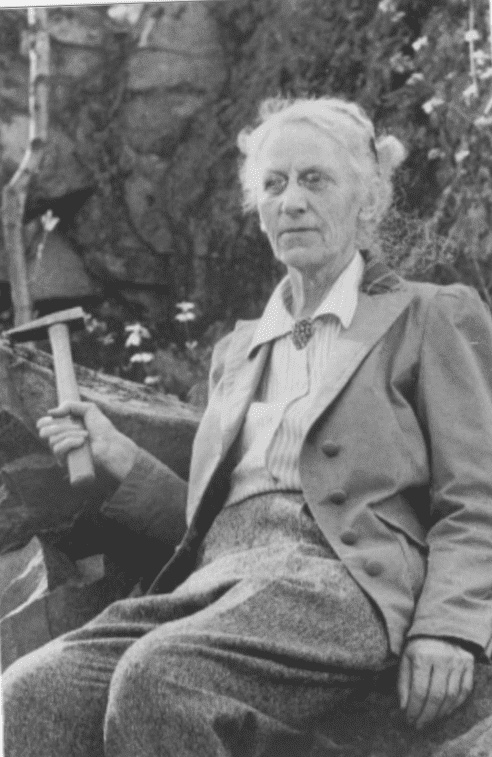
Alice Wilson was a trailblazing figure in Canadian science, becoming the first woman to join the Geological Survey of Canada (GSC). Despite facing health challenges, her passion for geology shaped her career and contributions to the field. Learn more about her remarkable life and achievements at iottawa.net.
Early Life and Education
Alice Wilson was born in Cobourg, Ontario, in 1881 into an academically inclined family. Her father, a professor at Victoria University, encouraged her to pursue science. The family’s love of nature—canoeing, camping, and fossil hunting—helped ignite Alice’s passion for geology, equipping her with skills she later used in fieldwork.
Alice began her education in modern languages and history at Victoria College, Toronto, in 1901, intending to become a teacher. However, health issues, particularly anemia, forced her to pause her studies. Once recovered, she resumed her education and began her journey into geology.
Early Career
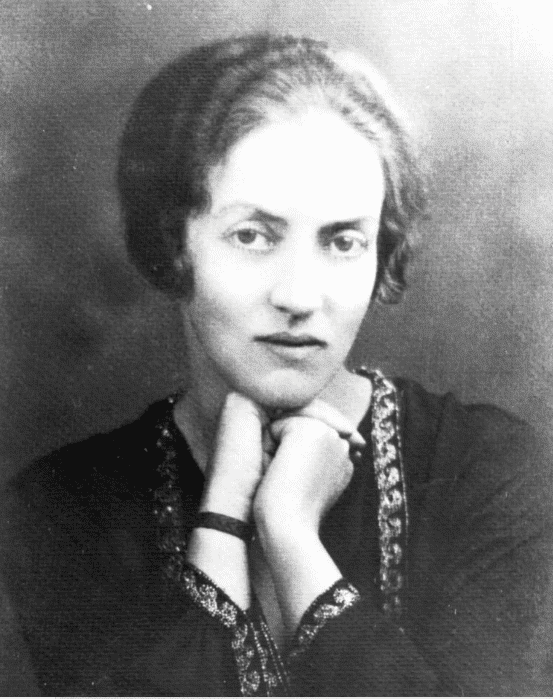
Alice started as an assistant at the University of Toronto’s Museum of Mineralogy and earned her degree in 1911. In 1909, she joined the Geological Survey of Canada, where she worked for over 50 years.
Despite her significant contributions, Wilson faced numerous challenges and discrimination. Although eligible for a doctoral degree, she was repeatedly denied paid leave. Her supervisor, Edward M. Kindle, supported her pursuit of higher education, and in 1926, she received a scholarship from the Canadian Federation of University Women. She earned her doctorate from the University of Chicago in 1929, a milestone that solidified her expertise.
Notable Contributions
Alice Wilson’s work focused on vertebrate paleontology and the stratigraphy of Paleozoic rock formations in eastern Canada. Although her contributions were slow to gain recognition in the male-dominated field, her perseverance eventually earned her respect.
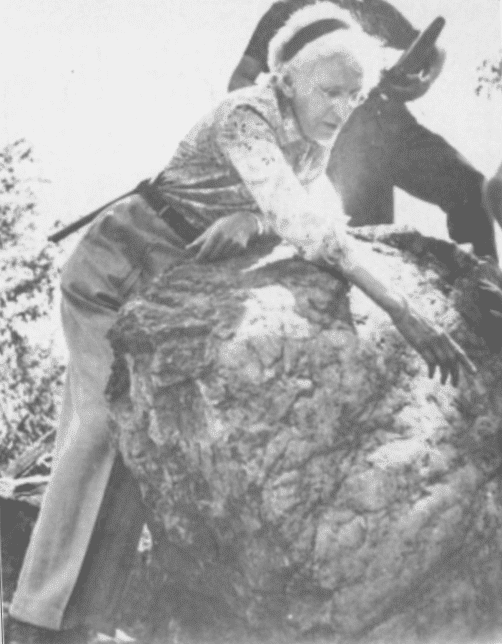
Wilson meticulously mapped over 14,000 square kilometers of the Ottawa-St. Lawrence Lowlands, documenting geological formations and fossils. Remarkably, she completed much of this work alone, as GSC policy prohibited her from conducting fieldwork alongside male colleagues. Initially, she traveled on foot, later using a bicycle, and eventually purchased her own car to aid her fieldwork.
Her efforts were monumental—after her retirement, it reportedly took five people to replace her role at the GSC. She became known as a tireless worker and a master of local geology.
Firsts in Her Career
Alice Wilson achieved several historic milestones:
- She was the first woman hired by the Geological Survey of Canada.
- In 1936, she became the first Canadian woman to join the Geological Society of America.
- In 1938, she was elected a Fellow of the Royal Society of Canada.
Her work was instrumental in advancing geological mapping and research, particularly in areas accessible from her home base in Ottawa.
Personal Qualities and Later Life
Alice was known for her calm demeanor and strong principles. She opposed smoking and maintained a composed presence even during tense situations.
During World War I, she volunteered with the Canadian Women’s Army Corps, providing logistical support while wearing a uniform adorned with a maple leaf emblem. After the war, she returned to her role at the GSC.
Forced to retire at 65, Alice continued teaching at Carleton College (later Carleton University) until her death. She also authored a children’s book on geology, The Earth Beneath Our Feet. Near the end of her life, she relinquished her office and told the director of the GSC:
“No, my work is done.”
Alice Wilson’s pioneering work and dedication to geology earned her a place among Canada’s most respected scientists. Despite numerous obstacles, her determination and contributions paved the way for future generations of women in science. Her story remains a testament to resilience and passion in the face of adversity.