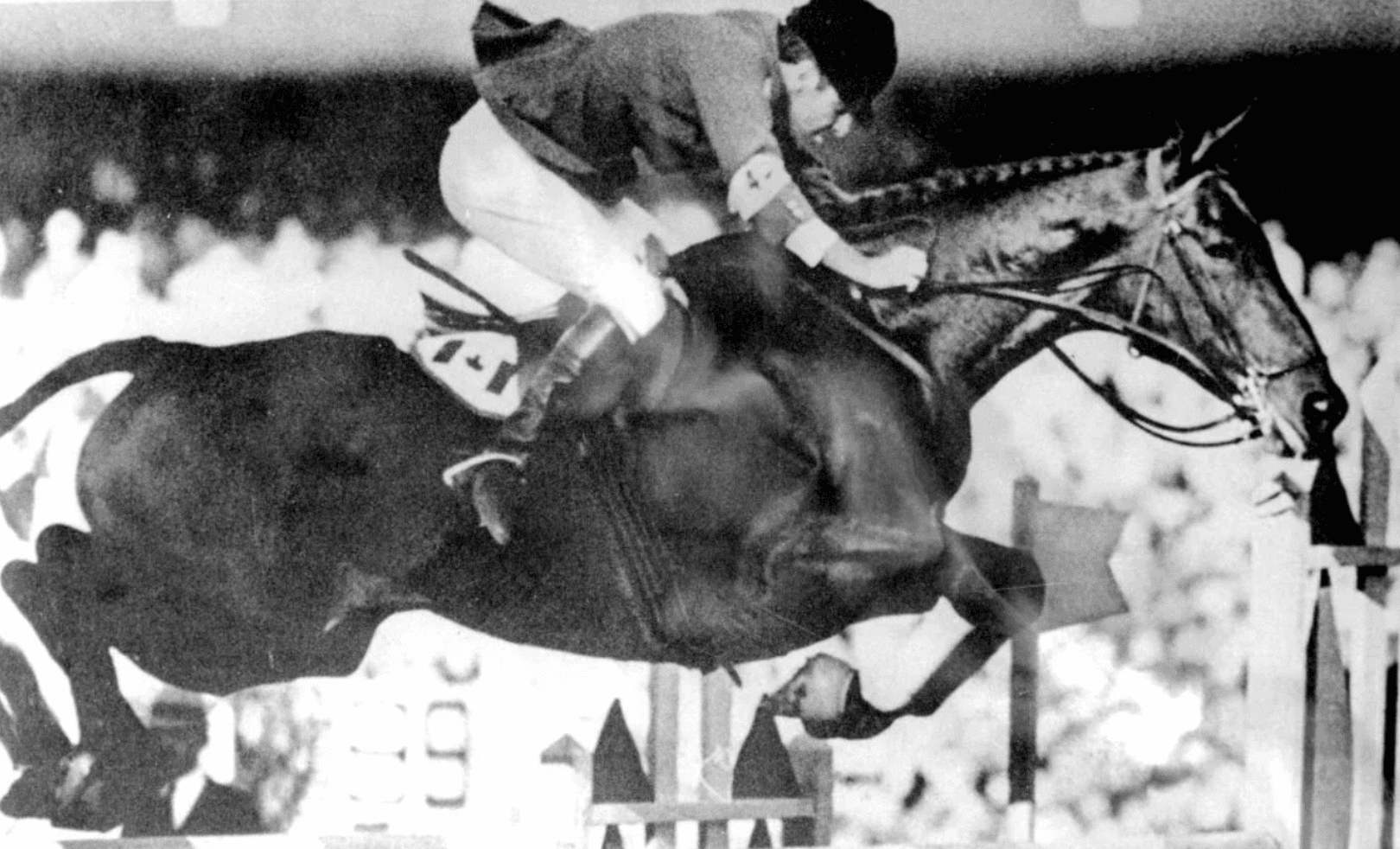

Equestrian sports encompass various disciplines, including horseback riding, competitions, and exercises. It is an engaging and captivating activity due to the direct interaction with horses.
Historical records suggest that the earliest horse-drawn chariot races occurred in 680 BCE, while horseback riding races date back to 648 BCE in Ancient Greece. Since 1900, equestrian sports have been part of the Olympic Games. iOttawa explores how equestrian sports gained traction and popularity in Canada’s capital and delves into their history.
Connaught Park Racetrack
The Connaught Park Racetrack, Ottawa’s first equestrian venue, opened in 1913. Located in Aylmer, Quebec, it operated successfully until its closure in 2008 due to bankruptcy. The property was sold for residential development in 2009. Initially, thoroughbred races dominated until the 1950s when harness racing became the focus. The track was ideally situated near Ottawa, Ontario, across the Quebec border.
Historical Significance of the Racetrack
The racetrack was named after Prince Arthur, Duke of Connaught and Strathearn, who served as the club’s first president. The facility spanned 36 hectares, featuring specially laid turf and a one-mile track.
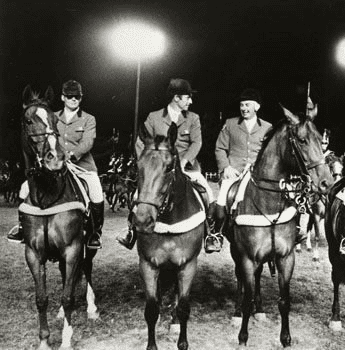
The inaugural races took place on June 14, 1913, with Sir Wilfrid Laurier in attendance. The event was a grand affair, highlighted by:
- Performances from the Duke of Cornwall’s Band and Hull City Orchestra.
- A children’s race for three-year-olds.
- A prize for the fourth race comprising $1,500 and a silver plate.
The Scandal That Made History
In 1920, a significant scandal rocked Connaught. A horse named Vesty Hogan was disguised as an inferior competitor, Little Boy. After Vesty Hogan won the race, bettors reaped massive profits, while the fraudsters disappeared. This scheme resulted in an estimated $500,000 loss for North American bookmakers. The perpetrators were never caught.
Competition and the Rise of New Racetracks
The 1960s saw the opening of Rideau Carleton Raceway south of Ottawa, which hosted harness races on frozen waterways like the Rideau Canal and Ottawa River. This venue became a prominent Canadian racing and entertainment complex, featuring restaurants and live music performances.
The racetrack officially opened on September 1, 1962, covering 120 hectares in Gloucester, Ottawa’s outskirts.
The Beginnings of “GRAD”
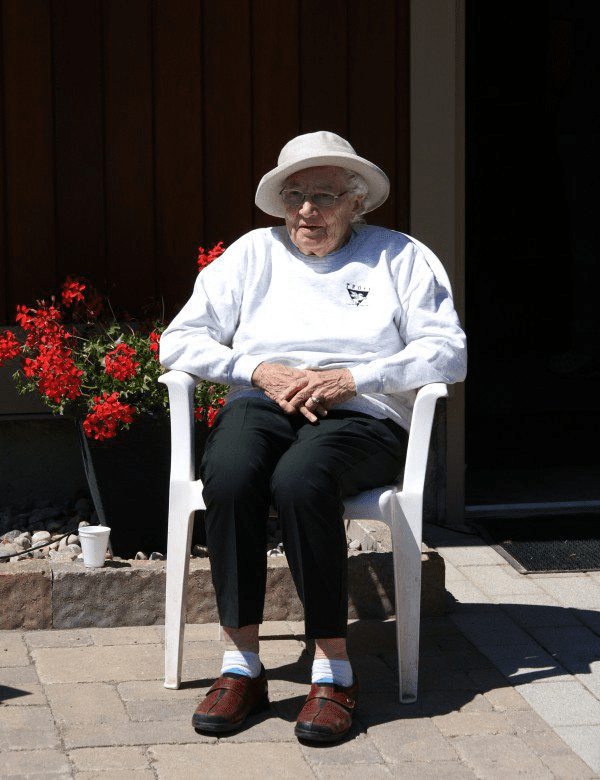
The Greenbelt Riding for the Disabled Association (GRAD) was established in 1975 by Lelia Sponsel. Focused on therapeutic horseback riding, GRAD catered to small groups of individuals with disabilities in Ottawa, offering carefully designed programs.
Lelia Sponsel, the founder of TROtt (Therapeutic Riding Association of Ottawa-Carleton), shared her vision:
“I enjoyed the challenge, the risks, the learning, and above all, the opportunity to share my love of equestrianism with so many others.”
The Next Stage
In 1982, TROtt relocated to Equidae Stables in Greely, Ontario, owned by Gordon and Nancy Reid. The Reids, avid supporters of Sponsel’s program, contributed to its success. Therapeutic riding had already shown significant benefits. In 2015, TROtt celebrated its 40th anniversary, with ongoing support from donors, sponsors, and volunteers.
Wesley Clover Parks: A Modern Venue
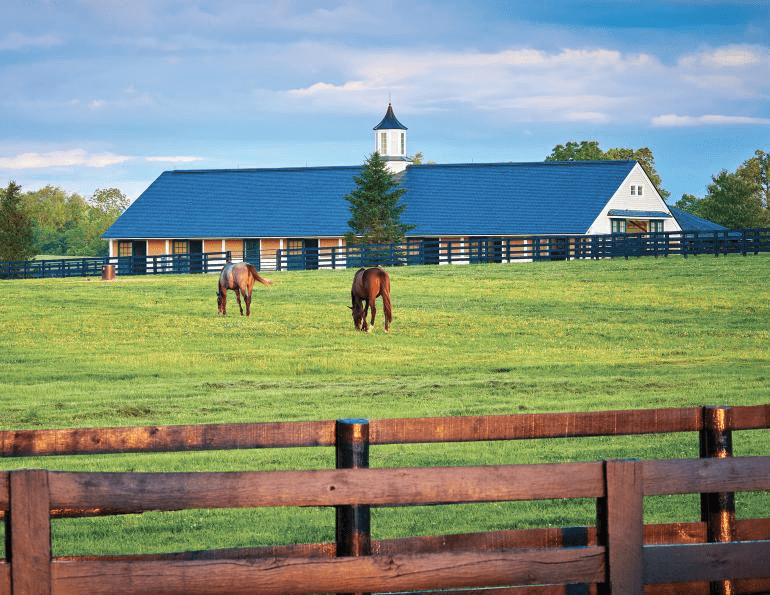
Wesley Clover Parks hosts Ottawa’s equestrian tournaments, continuing the city’s rich history in the sport. Between 1999 and 2003, the Capital Classic showcased hundreds of horses, attracting thousands of spectators and widespread media attention.
Since 2015, Wesley Clover Parks has been an integral part of Ottawa’s cultural and sporting life, offering premier competitions and delighting equestrian enthusiasts.
Types of Equestrian Competitions
Historically, women were excluded from equestrian events until the mid-20th century:
- Dressage: 1952
- Show jumping: 1956
- Eventing: 1964
Key Disciplines:
- Dressage: Known as the most artistic equestrian sport, it features precise movements at a gallop, trot, and walk. Ottawans have competed in dressage since the 1950s.
- Show Jumping: A test of horse-and-rider teamwork in navigating obstacle courses. Canadian riders made their international debut in 1909 at the International Horse Show in Olympia.
- Eventing: A triathlon of equestrian sports, combining dressage, endurance, and show jumping.
Equestrian sports are an Olympic discipline where men and women compete equally. In Canada, they are governed by Equine Canada, established in 1977.
Fascinating Facts About Canadian Horses
- Canada’s National Horse: In 2002, the Canadian horse was declared a national symbol and added to the Heritage Livestock Canada list.
- Breeding Programs: The federal government began breeding Canadian horses in 1913, a program later taken over by Quebec, significantly increasing the population to 6,000 by the 1960s.
- Unique Traits:
- Hard hooves, often negating the need for horseshoes.
- Robust immune systems, with a lifespan of 25–30 years.
- Intelligent, easy to train, and reliable, making them ideal companions for adults and children alike.
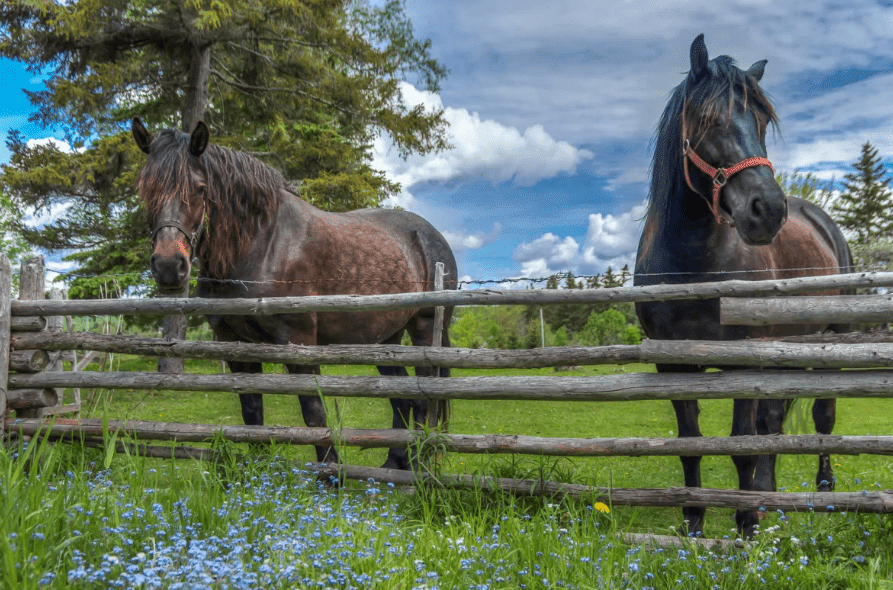
Canadian horses are distinguished by their wavy manes and sleek, dark coats. They are a favourite for photographs among residents and visitors alike.
Ottawa’s Racetracks
Ottawa’s numerous racetracks reflect the sport’s popularity. Key aspects of running an equestrian business include:
- Staff and Wages: Motivating employees is crucial.
- Insurance: Though costly, it is essential.
- Supplies: Many opt for bulk hay purchases during harvests for lower prices.
- Utilities: Grants help modernize and improve energy efficiency.
- Maintenance: Upkeep of facilities, fences, and equipment is vital.
- Veterinary Services: A long-term investment in animal welfare.
Business Growth Strategies:
- Offer additional lessons for students.
- Create discounted package programs.
- Introduce supplementary services, such as grooming.
- Expand stable facilities.
- Build covered arenas for year-round training.
- Maintain a robust online presence with an updated website.
Launching an equestrian business is a complex endeavour, requiring experienced participants, trainers, horses, and substantial investment. However, Ottawa has embraced this sport for generations, with many residents—both adults and children—enjoying horseback riding and competitions.