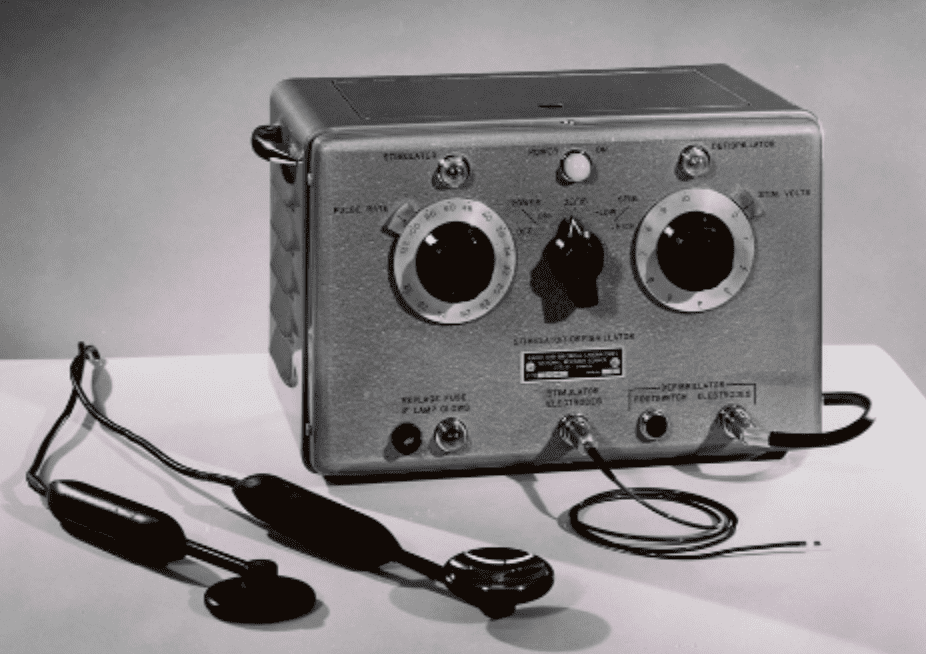

In the 21st century, pacemakers save thousands of lives. People with heart conditions are no longer destined to face premature death—they can live healthy and fulfilling lives. This life-saving innovation was made possible by John Hopps, a remarkable scientist and inventor whose work has had a profound global impact. Learn more at iottawa.net.
The Life of Inventor John Hopps
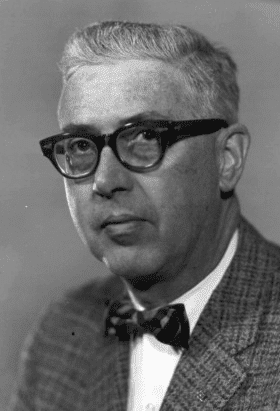
John Hopps was born in 1919 in Winnipeg, where he spent his childhood. As a teenager, he developed a strong interest in electrical engineering, leading him to pursue studies at the University of Manitoba. After graduating in 1941, Hopps moved to Canada’s capital, Ottawa, where he secured his first job with the National Research Council of Canada (NRC). The NRC, the country’s largest federal research organization, provided Hopps with a prestigious platform to contribute to groundbreaking innovations.
In addition to his work at the NRC, Hopps briefly ventured into theatre, working with stage props and gaining valuable experience in opera productions—a unique detour for someone with his technical expertise.
While at the NRC, Hopps focused on research and development of industrial applications for radiofrequency heating, beer pasteurization, and more. In 1949, his accomplishments caught the attention of the Banting Institute, which invited him to join their cardiovascular laboratory. Initially hesitant despite the high-profile role, competitive salary, and responsibilities, Hopps eventually accepted the position.
John Hopps’ Pacemaker
After weighing the pros and cons, Hopps relocated to Toronto to join the Banting Institute’s lab. His initial work centered on groundbreaking research in cardiovascular surgery, including exploring the use of hypothermia during heart stoppages and developing techniques to stimulate the heart under conditions of extreme cold.
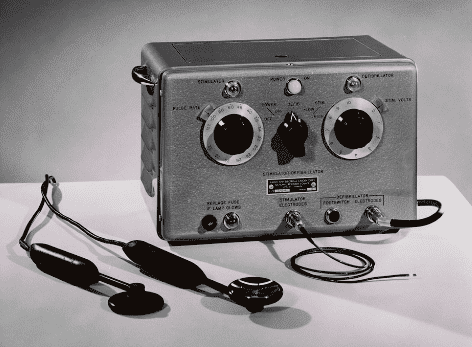
Following his time at the Banting Institute, Hopps returned to Ottawa and resumed his position at the NRC. There, he began working on the creation of a portable external artificial pacemaker. Hopps succeeded in developing a device that delivered electrical impulses to the heart, enabling it to contract and pump blood throughout the body. The first successful test of his pacemaker was conducted in 1950 on a dog.
Hopps’ invention was a monumental breakthrough, paving the way for the eventual implantation of pacemakers in humans with cardiovascular diseases. His work also introduced the term “medical electronic devices” into the healthcare lexicon, marking one of the most significant advancements in modern medicine. The invention garnered widespread attention, with articles about Hopps appearing not only in Canadian newspapers but also in international publications.
The pacemaker saved countless lives, extending the lifespans of individuals with heart conditions. Thanks to the inventor from Ottawa, patients worldwide began to experience longer and healthier lives.
In his later years, John Hopps divided his time between Ottawa and Florida. Ironically, he also suffered from heart issues and, in 1984, received his own invention—a pacemaker. The device extended his life until 1998, when a blood clot caused his heart to stop.
John Hopps’ contributions to medicine and innovation continue to be celebrated, and his legacy lives on in the countless lives saved by his groundbreaking invention.