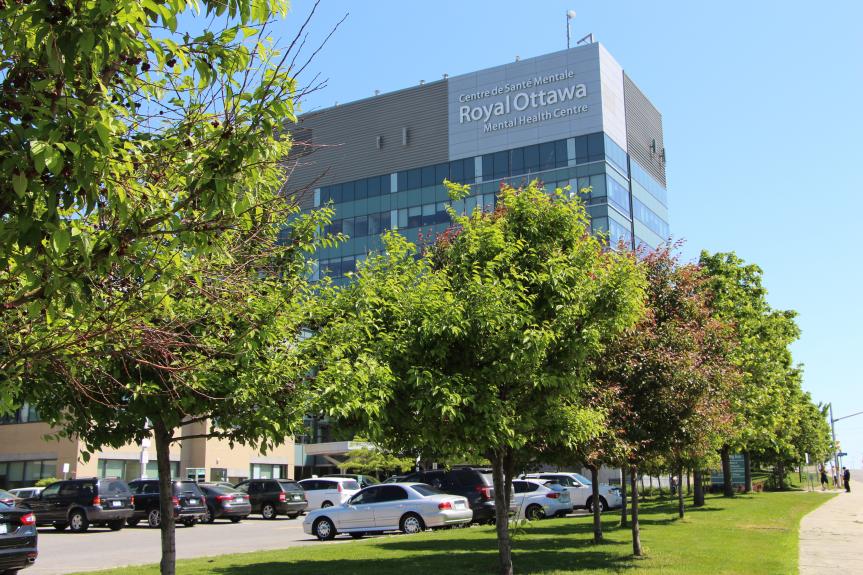

How were mentally ill individuals cared for in the past century? The story is both fascinating and unsettling. In the early days, there were very few doctors specializing in the treatment of such patients. I Ottawa explores the history and unique features of the first psychiatric institution in Ottawa.
Treatment of the Mentally Ill in Canada
Compared to the inhumane conditions of prisons, the care for the mentally ill in Canada was more progressive. Various forms and methods of therapy were tested, although some specialists viewed these attempts as futile. For instance, Dr. Richard Maurice was one of the first to advocate that therapy could restore a patient’s mental health.
Before Confederation, the government of Lower Canada barely took responsibility for caring for the mentally ill. Religious institutions often filled this role. During that time, the government began constructing provincial asylums for the insane, including one in Ottawa, which would later become Canada’s capital. Prominent figures in psychiatry included Dr. Joseph Workman in Ontario and Dr. James Douglas in Quebec.
Ontario’s provincial asylums were constructed in the year of Confederation. It’s worth noting that before 1867, Upper and Lower Canada jointly cared for the mentally ill.
Early Accounts of Mental Illness
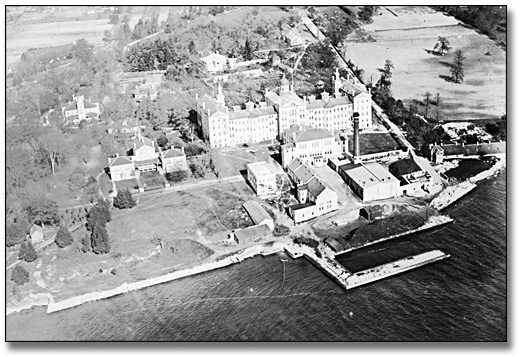
The first ward for mentally ill women was established in 1714 in Quebec, marking the earliest recorded cases. Later, 12 men were admitted. At the time, the primary responsibility for the care of mentally ill individuals fell on their families. Those who could not be cared for at home were sent to prisons or poorhouses. The conditions in these facilities were dire, characterized by:
- Chronic overcrowding
- Poor sanitation
- Insufficient heating
- Inadequate food supply
- Lack of specialized treatment or minimal intervention from staff
Mentally ill individuals were often equated with sinners. A significant contributor to mental health reform was Dorothea Dix, a Massachusetts schoolteacher who lectured extensively and raised awareness about the appalling conditions in these facilities. Her efforts influenced the establishment and improvement of psychiatric institutions.
Early Records of Mental Health Treatment
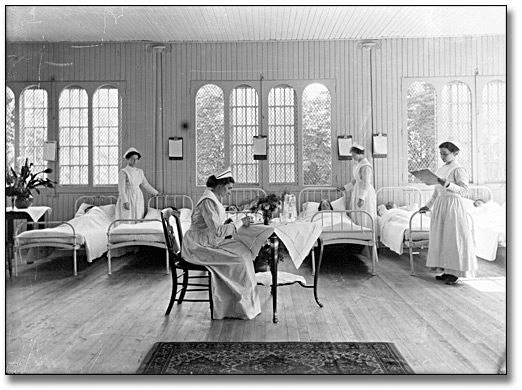
Historical records from psychiatric hospitals in Ottawa and nearby areas reveal that, up until 1930, these institutions admitted not only mentally ill patients but also those with infectious diseases. The first asylum for the insane was established in Toronto on Queen Street in 1841, later evolving into the Centre for Addiction and Mental Health. Archives Ontario preserves records from this institution.
Psychiatric hospitals of the 19th century were typically large, imposing structures located near agricultural lands. For instance, the Kingston Psychiatric Hospital opened in 1856.
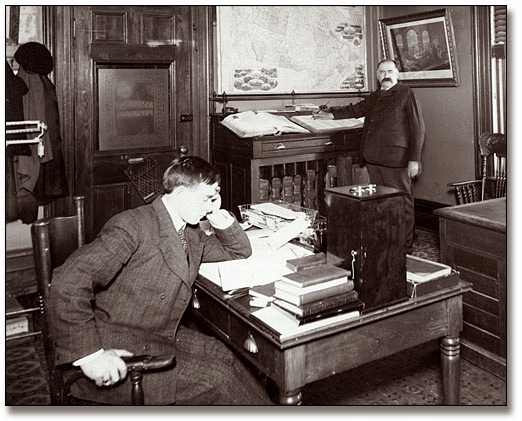
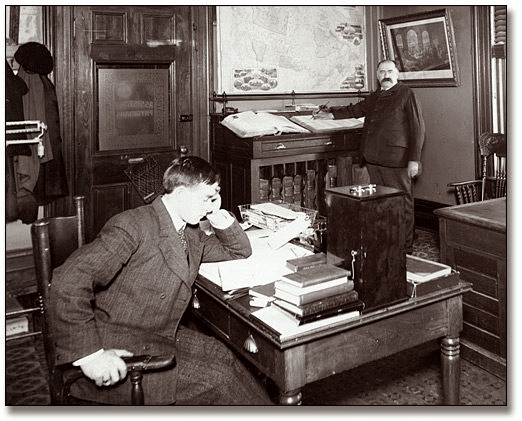
Early case histories were meticulously recorded in “case journals,” large bound volumes where each patient was assigned a dedicated page. Additional pages were added for follow-ups when needed. Doctors monitored patient behavior, noting admission dates, discharges, escapes, and deaths.
By 1890, the complexity of these records increased. They began including photographs, temperature charts, and printed reports. The introduction of indexed card systems in the 19th century was a significant innovation, allowing for easier access to information.
Impact of World War II
The examination of new military recruits during World War II revealed thousands of cases where physically healthy individuals suffered from mental health disorders. This revelation shifted public perception of mental health, spurring research into preventive measures and treatment methods.
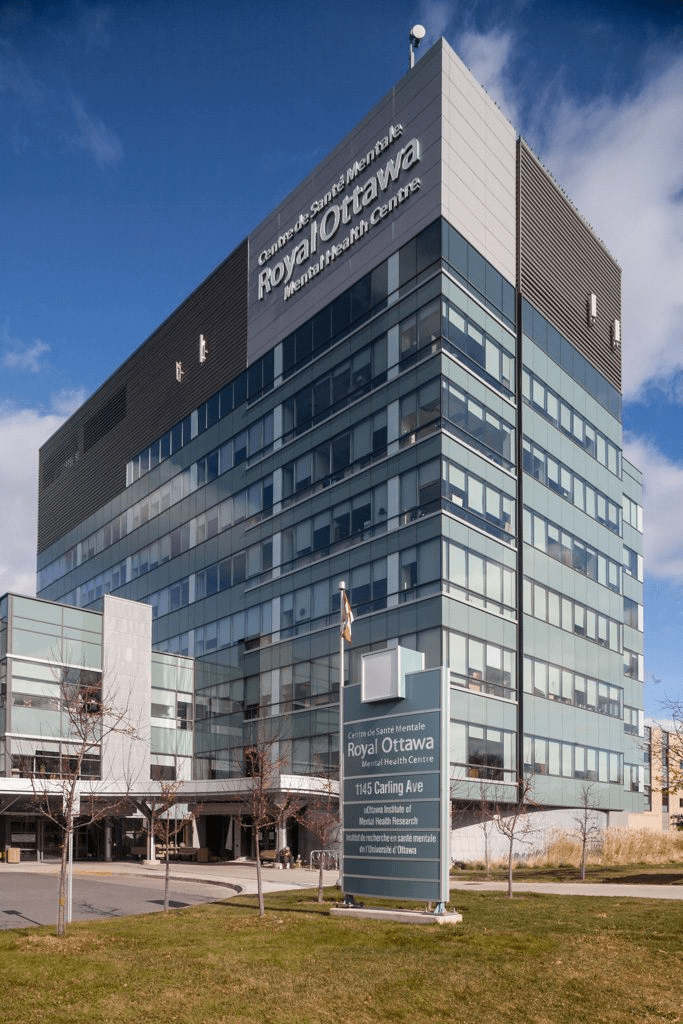
The Royal Ottawa Mental Health Centre
The Royal Ottawa Hospital, Ottawa’s first psychiatric hospital, initially had 284 beds and spanned 400,000 square feet. Known locally as “The Royal,” it remains a city landmark and a beacon of hope for those in need of mental health care. Let’s delve deeper into its history and evolution.
The hospital admitted its first patient in February 1910, under its original name, Lady Grey Hospital (nicknamed “The San”). Fifty-nine years later, it was renamed the Royal Ottawa Hospital.
Transformation into a Psychiatric Hospital
During its first 60 years, the hospital treated over 11,000 tuberculosis patients from Eastern Ontario, with an average stay of seven months. Patients included children, adults, and the elderly. Advances in tuberculosis treatment and prevention allowed the hospital to close its last TB ward in 1970.
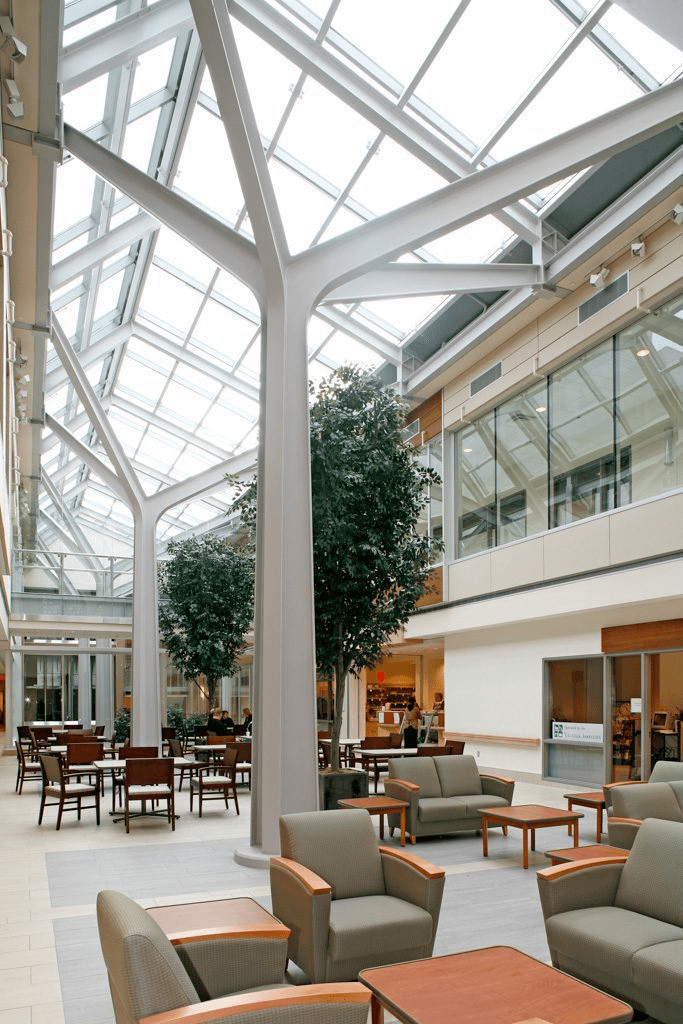
In 1961, the facility transitioned into a health centre focused on emotional and psychiatric disorders. By 2002, a rehabilitation centre was added to the hospital. In 2006, a state-of-the-art centre for world-class treatment and research, the Royal Ottawa Mental Health Centre, replaced the old facility.
Connections with Ottawa Universities
The hospital maintains ties with the University of Ottawa and Carleton University. This collaboration has yielded significant results, including international recognition for its work in developing treatments for psychiatric disorders and understanding deviant behavior. Specialists focus on treating depression, preventing suicide, and understanding brain functions in psychiatric conditions.

Mental Health in Ottawa
Mental health disorders remain among the most common illnesses in Canada. Family doctors, psychologists, psychiatrists, social workers, and psychiatric nurses all contribute to treatment efforts. The volume of research continues to grow, improving the quality and accessibility of care for patients.
Regardless of location, people everywhere experience stress that impacts mental health. For Ottawa residents, the Royal Ottawa Hospital offers essential support. Ignoring the need for help can have life-threatening consequences.
Ottawa boasts numerous initiatives aimed at addressing mental health issues, including:
- “Parental Mental Health in Ottawa”
- A 24-hour mental health crisis line
- A 24-hour youth crisis line
- A helpline for individuals contemplating self-harm or suicide
Ottawa’s first psychiatric hospital has transformed into a modern, innovative facility specializing in long-term mental health support, complemented by round-the-clock crisis lines and behavioral health services for residents.