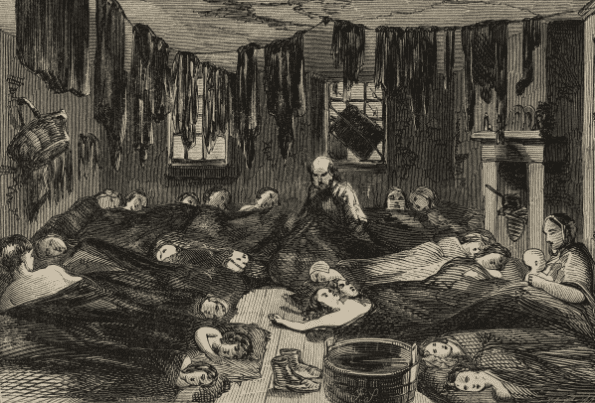

In the 19th century, typhus was one of the deadliest epidemics in Canada, claiming hundreds of lives. Outbreaks of the disease occurred several times, including in Bytown, the settlement that preceded modern Ottawa. Learn more on iottawa.net.
What is Typhus and Its Key Symptoms?
Typhus is an epidemic disease caused by the bacteria Rickettsia prowazekii. It spreads through infected parasitic insects. Some forms of typhus are transmitted differently:
- Sylvatic Typhus: Spread by flying squirrels.
- Scrub Typhus: Transmitted by chiggers, a type of mite.
- Murine Typhus: Spread by rat fleas.
Symptoms may not appear immediately. After contact with infected lice, symptoms can develop within two weeks and may include:
- Fever,
- Chills,
- Headache,
- Rapid breathing,
- Body aches,
- Dark red spots on the skin,
- Cough,
- Nausea,
- Vomiting,
- Confusion.
Without prompt treatment, patients could die within three to four days.
In the 21st century, typhus is easier to diagnose and treat thanks to blood tests and antibiotics. However, in the 19th century, Bytown’s physicians struggled with limited medical resources, including the lack of hospital beds and treatment options.
Today, typhus is rare but still exists, primarily in densely populated, unsanitary regions. Despite the devastating epidemics of the past, a vaccine for typhus was only developed in the early 20th century.
The Origins of Typhus in Bytown: Brought by Irish Immigrants

In the mid-19th century, Ireland experienced the “Great Hunger,” also known as the Potato Famine. This tragic period led to widespread starvation and disease. Over one million people died, while another million emigrated in search of better living conditions. Many chose Canada as their destination.
Why Did the Irish Choose Canada?
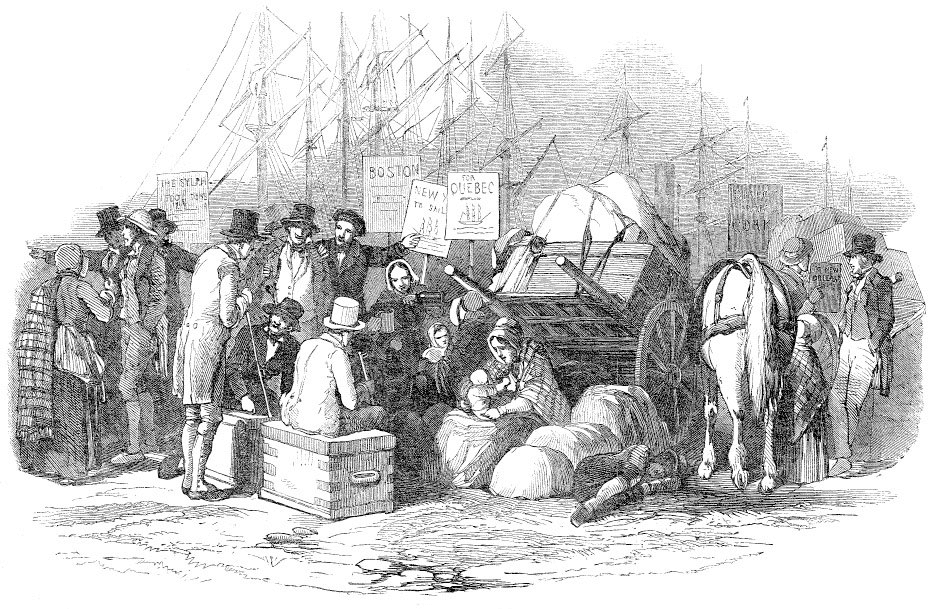
Although the United States was more attractive, passage to America was prohibitively expensive. Many Irish immigrants bought cheaper tickets to Canada, specifically to Bytown.
What Happened During the Irish Journey to Canada?
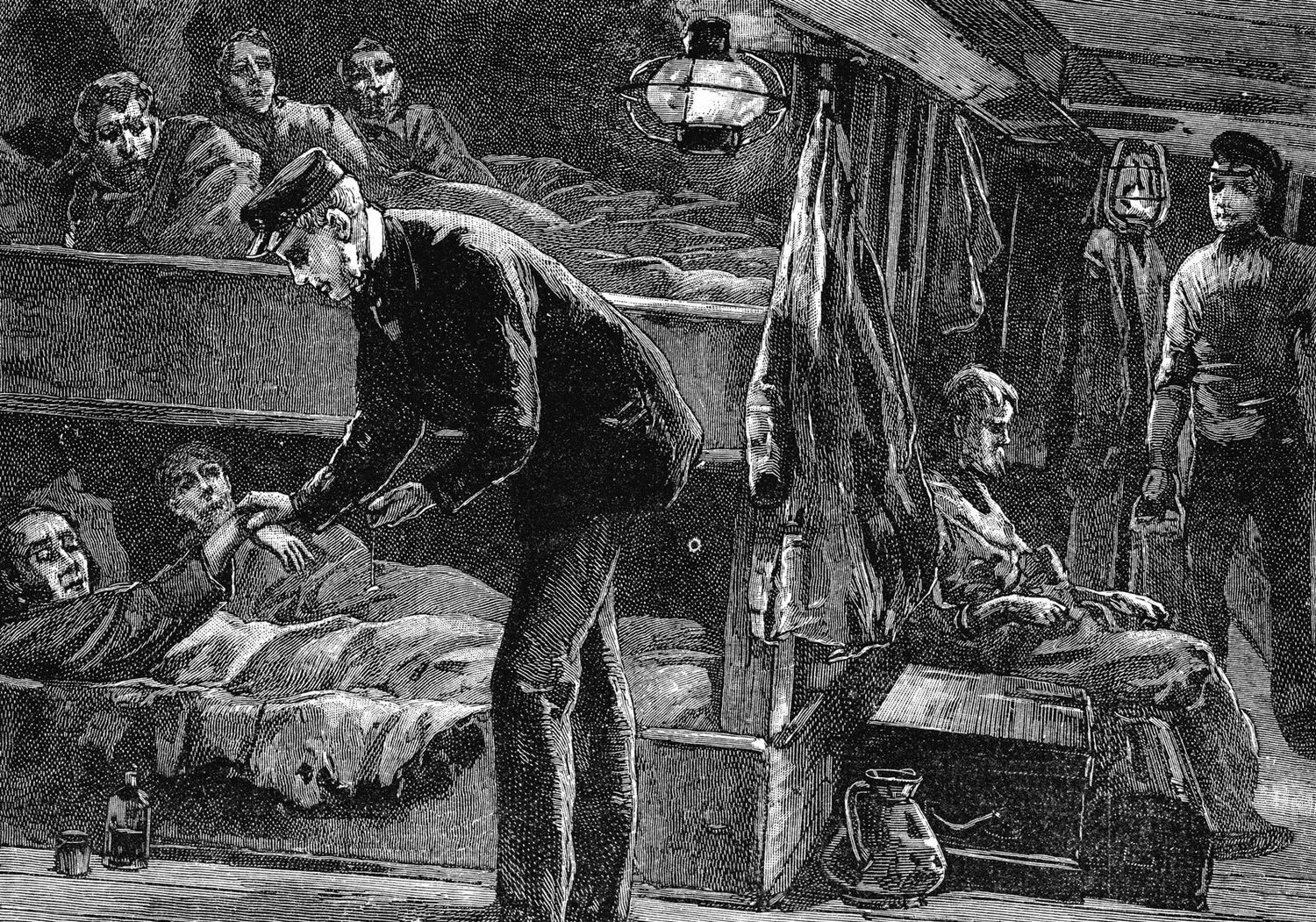
The journey to Canada in the 1840s was perilous. Ships, often referred to as “coffin ships,” were overcrowded, unsanitary, and infested with rats. Many passengers were already infected with typhus before boarding, and the six-to-eight-week voyage amplified the spread of disease.
Of the over 100,000 Irish immigrants who traveled to British North America in 1847, 5,000 to 8,000 died at sea, their bodies thrown overboard. Additionally, at least three ships sank:
- Exmouth of Newcastle: 241 passengers on board.
- Carricks of Whitehaven: 173 passengers on board.
- Miracle: 400 passengers traveling from Liverpool.
Typhus in Ottawa
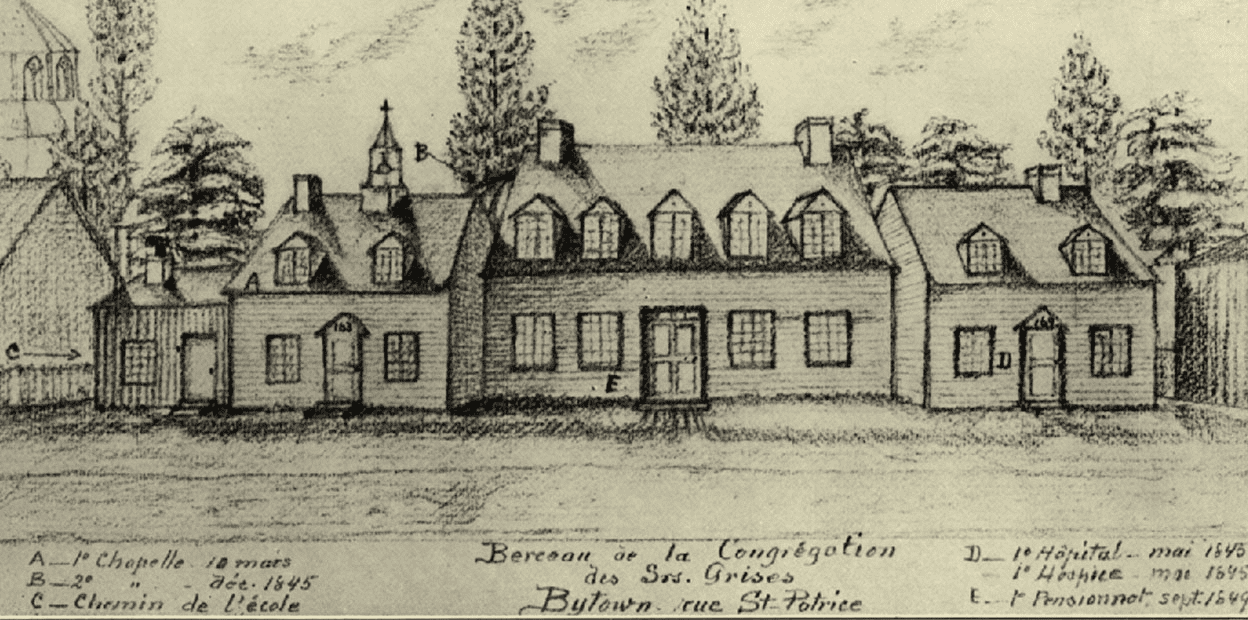
Although previous typhus outbreaks had occurred, the epidemic of the mid-19th century was catastrophic, fueled by the arrival of Irish immigrants. Locals used various names for typhus, including:
- Jail Fever,
- Camp Fever,
- Hospital Fever,
- Ship Fever,
- Road Fever,
- Irish Fever,
- Emigrant Typhus.
Each term reflected the disease’s association with Irish immigration.
The Role of Religion in Fighting Typhus

Religion played a significant role in managing the 1847 typhus epidemic in Ottawa. Religious communities, particularly nuns, were at the forefront of caring for the sick.
Before the Irish immigrants arrived, a hospital was under construction in Ottawa. Sister Bruyère was among the nuns who bravely volunteered to care for typhus patients. The Immigration Bureau allocated 12 shillings ($2.40) per week per patient to cover medicine, food, and other essentials. Additional funds were provided for burials.
During the hot summer of 1847, around 3,000 Irish immigrants arrived in Ottawa via the Rideau Canal. Hospitals were overwhelmed, and nuns worked tirelessly, often falling ill themselves. Many caregivers were reluctant to help due to the high risk of infection. Young lumbermen were hired to monitor patients during the night, while the nuns prayed and provided care around the clock.
As the epidemic continued, the Immigration Bureau delayed funds for the sick. The nuns used their own money to support patients, later submitting financial reports to seek reimbursement. Although initially accused of falsifying records, Sister Bruyère proved their accuracy and secured compensation.
Between 1847 and 1848, 619 critically ill patients were admitted to hospitals in Ottawa. Of these, 167 died. Remarkably, 17 nuns contracted typhus, but none succumbed to the disease.
The epidemic officially ended in the spring of 1848, though sporadic cases persisted. Scientists identified the cause and transmission of typhus only in 1916. The 1847 epidemic claimed over 20,000 lives across Canada.