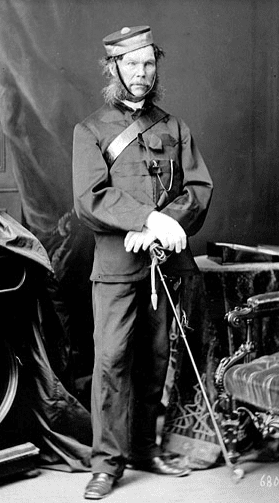

The 19th century presented humanity with numerous health challenges, including epidemics such as typhus, smallpox, and cholera. Deteriorating environmental conditions caused by industrialization exacerbated these health crises, increasing mortality rates. One prominent figure who rose to address these issues was Dr. Edward Van Cortlandt, a distinguished physician in Bytown (modern-day Ottawa). Read more on iottawa.net.
Early Life of Dr. Van Cortlandt
Edward Van Cortlandt was born in 1805 on Newfoundland Island into a family with a rich military heritage. His father was a major and a supporter of the American Revolution.
Edward received his early education at St. Wilka’s School in Quebec. From an early age, he showed a keen interest in medicine. Between 1819 and 1825, he apprenticed under Dr. Hackett, gaining foundational medical knowledge. Seeking advanced education, Edward traveled to England in 1827 to take entrance exams for the Royal College of Surgeons in London. He passed with distinction and earned the mentorship of the renowned English surgeon John Abernethy.
In 1829, Van Cortlandt successfully competed for the position of librarian at the Royal Medical and Surgical Society of Britain, standing out among twelve candidates. He served in this role for three years before returning to Canada in 1832 to begin his medical career.
Medical Career
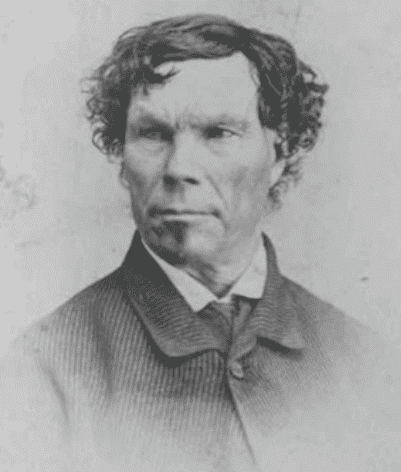
Dr. Van Cortlandt’s journey in Canadian medicine was marked by challenges and achievements. Returning during an era plagued by widespread diseases, he played a pivotal role in combating cholera outbreaks in the 1830s.
After obtaining permission to practice medicine, Edward initially worked in Lower Canada. His reputation soon earned him a transfer to Bytown, where he began serving the community. His medical skill quickly established him as a respected physician.
In 1834, Van Cortlandt faced his first major test as he helped Bytown endure a devastating cholera epidemic. At times, he provided free medical care to the impoverished residents of Lower Bytown. His expertise also earned him roles as Ottawa’s coroner and physician for the city’s jail.
Van Cortlandt often worked pro bono, offering medical services to the residents of Lower Bytown. His competence led to appointments as a physician in local hospitals, a consultant, and eventually as Ottawa’s coroner and the physician of the district jail. He also served as the field surgeon for Ottawa’s battery for nearly 20 years.
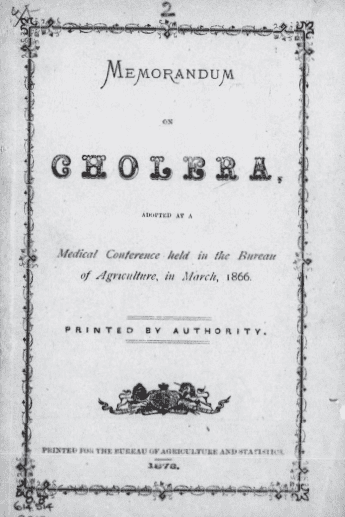
As Ottawa’s sanitary officer, Van Cortlandt devised strategies to curb cholera outbreaks. He was also deeply concerned about environmental issues, campaigning against the harmful effects of sawdust pollution in local rivers and advocating for sustainable industrial practices.
Contributions Beyond Medicine
In addition to his medical career, Van Cortlandt had a profound interest in archaeology. When an ancient burial site was uncovered during the construction of the Union Bridge in 1843, he actively participated in the excavations, documenting his findings in a Canadian journal in 1853. His work highlighted Ottawa’s archaeological and geological significance.
Van Cortlandt was also a prolific writer and community leader. He co-founded the Silurian Society, served as president of the Ottawa Horticultural Society, and was actively involved in local arts and manufacturing councils. Furthermore, he established Ottawa’s first private museum, showcasing geological and archaeological artifacts.
Combating Cholera and Typhus
Dr. Van Cortlandt’s career coincided with multiple epidemics, including cholera and typhus. His efforts during the cholera outbreaks of the 1830s helped mitigate the spread of the disease through improved water access and sanitation measures.
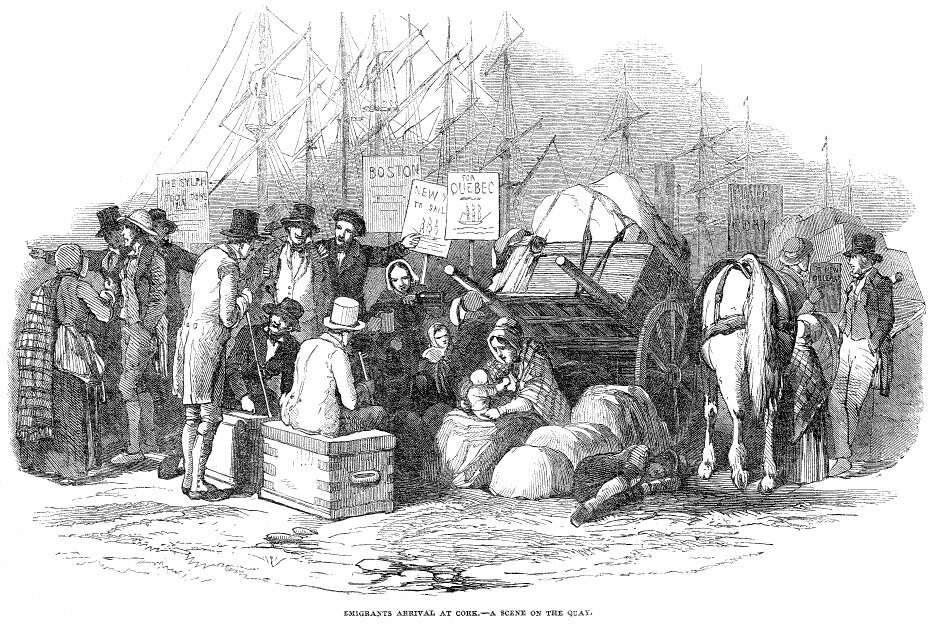
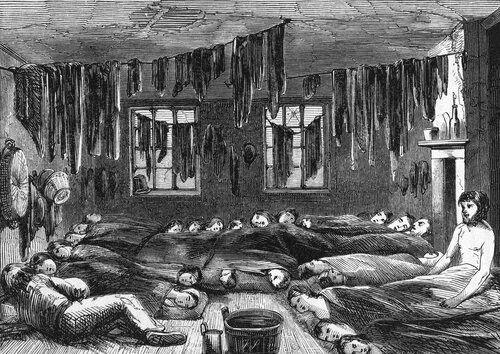
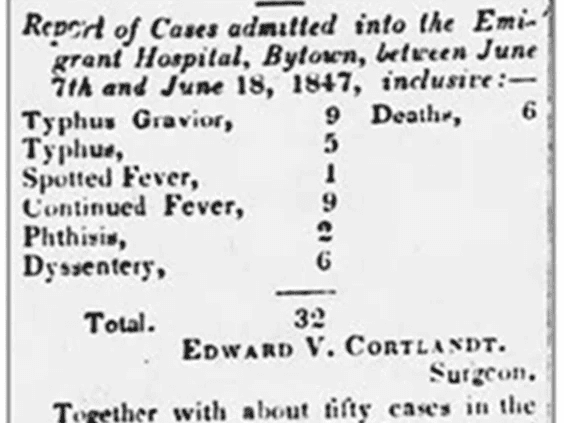
In the 1840s, Ottawa faced a typhus epidemic brought by Irish immigrants fleeing famine. Poor conditions on transatlantic ships exacerbated the outbreak, affecting thousands. Van Cortlandt established makeshift hospitals along the Rideau Canal to care for the sick and advocated for better medical facilities. His efforts saved countless lives and helped control the epidemic.
A Notable 19th-Century Figure
Van Cortlandt’s courage and medical expertise enabled him to save countless lives. He was renowned for his surgical precision and ability to perform complex procedures effectively. Inspired by John Abernethy, Van Cortlandt pursued excellence throughout his career. Although he often clashed with authorities over public health policies, his persistence brought attention to critical health issues, earning him recognition as one of Canada’s foremost physicians of the 19th century.
Personal Life and Legacy
Beyond his professional achievements, Van Cortlandt was a devoted family man. He married Harriet Amelia Harrington from Argenteuil County, and together they had six children—four daughters and two sons.
Edward Van Cortlandt passed away in 1875 at the age of 70. His life was a testament to dedication, innovation, and service. He left an indelible mark on Canadian medicine and culture, contributing significantly to the development of public health and Ottawa’s cultural landscape. Van Cortlandt received military honors from Ottawa’s field battery, further solidifying his legacy as a pioneer and visionary.