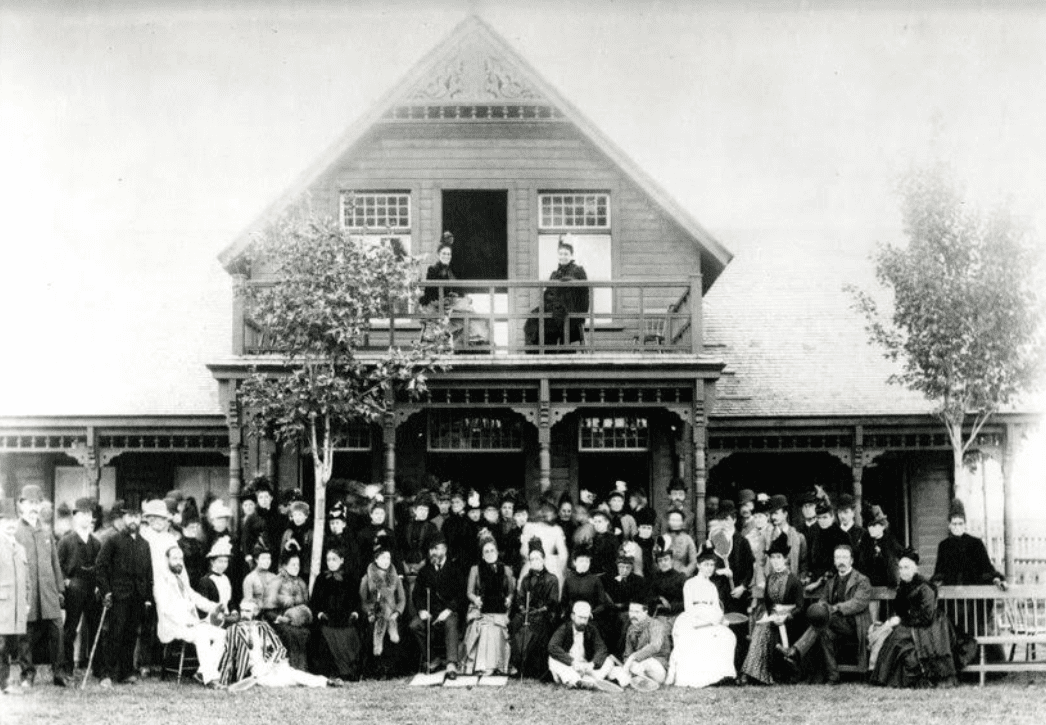

Exploring the history of Ottawa’s culinary scene is like embarking on a historical gastronomic tour. What did Ottawa’s residents enjoy over a century ago? How developed was the city’s network of cafes and restaurants? I Ottawa will take you through the culinary highlights of the past—prepare to be intrigued.
General Overview
A century ago, Ottawa’s population was about 108,000. According to The Citizen, the city boasted 56 restaurants and cafes, 23 of which were Chinese eateries.
The term “restaurant,” as we know it today, was relatively new at the time. Initially, dining establishments were often annexes to hotels, boarding houses, and salons. A prime example is the bar at the King George Hotel on Metcalfe Street, which opened in 1912–1913. It featured closely packed tables, simple meals, and beverages, including alcoholic drinks.
An article titled “Evolution of Dining” published in The Citizen on January 8, 1921, highlighted the gradual expansion of Ottawa’s restaurant scene.
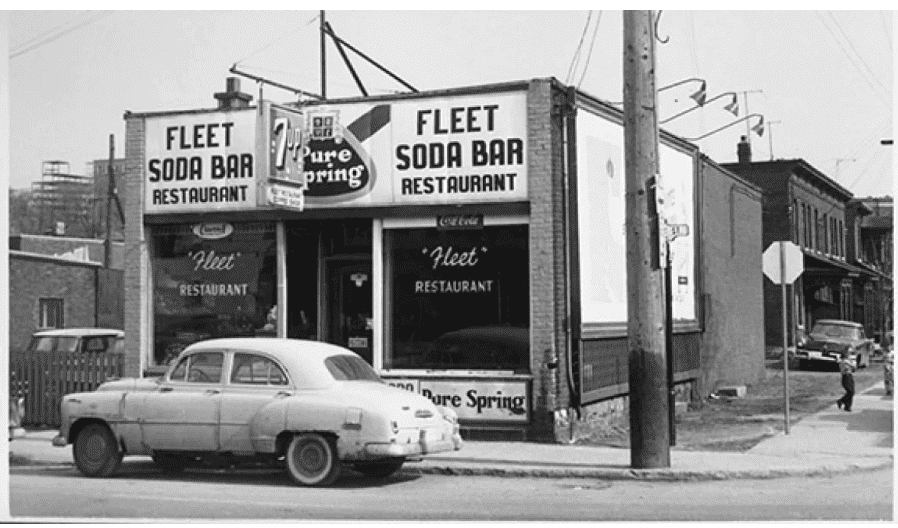
The First Dining Establishment in Ottawa
The first known dining establishment in Ottawa was Firth’s Tavern, a family-run tavern opened in 1819 in LeBreton Flats. Though it closed in the 1860s, another tavern, Andrew’s Tavern, opened the same year along the St. Lawrence River near Brockville, Ontario. Both establishments became popular for their strong drinks and light snacks.
Ottawa’s first dedicated dining house opened on Queen Street in 1880, founded by Mrs. Sutton. Around the same time, George Bulger, a stern chef known for his traditional uniform and linen toque, ran a competing establishment.
It’s challenging to pinpoint which of these was the true pioneer, but their success inspired a gradual increase in dining establishments across the city.
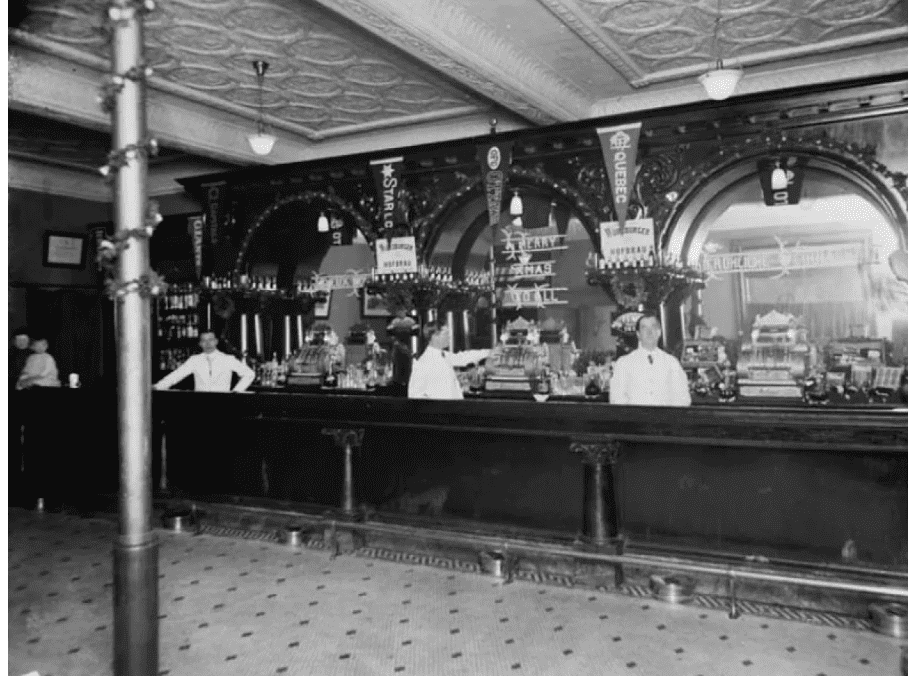
Bulger’s Beanery
In 1890, another dining spot opened on Metcalfe Street (between Queen and Albert). Similar to George Bulger’s establishment, this venue quickly became popular.
The menu included:
- Delicious baked beans
- Juicy steaks
- Bacon and eggs
Members of Parliament were frequent diners, especially after evening sessions.
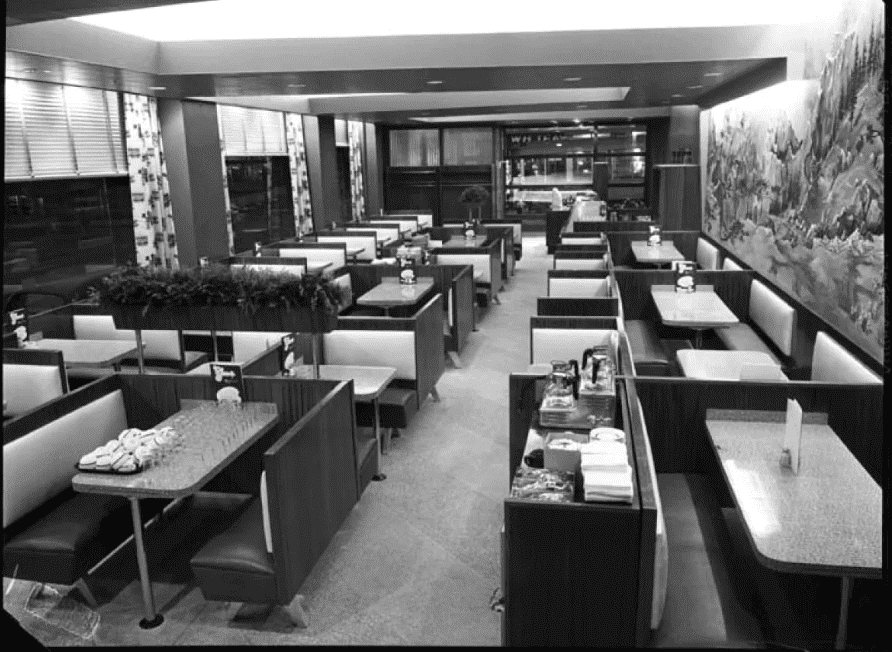 High-Class Restaurants
Charles A. Bellier opened one of Ottawa’s first high-class restaurants in 1895 at the corner of Metcalfe and Albert Streets. He aimed to replicate the atmosphere of Parisian cafes in the Canadian capital. While locals were cautious in their reviews, many referred to Café Bellier as “Parisian exoticism.”
Another notable restaurant, Sherbrooke, also opened in 1895 and attracted prominent ministers among its clientele.
24-Hour Diners
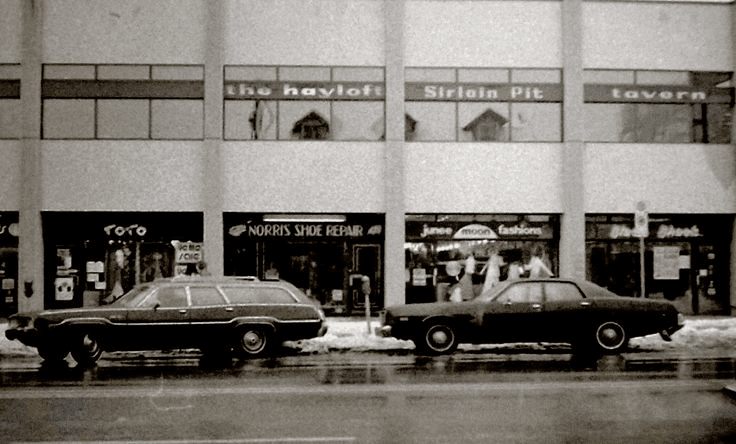
A significant milestone for Ottawa’s dining scene was the introduction of Boston Lunch on Sparks Street, which inspired the creation of 24-hour diners. This period also saw a rise in Chinese restaurants, primarily located along O’Connor, Queen, Albert, and Metcalfe Streets.
Tea Rooms
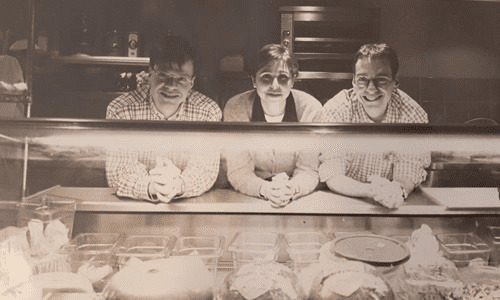
The Kettledrum was Ottawa’s first tea room, established by Miss Lindsay on Sparks Street. Known for its relaxed and exclusive atmosphere, this venue offered traditional dishes with a Hong Kong influence, such as sweet fried bread, creamy milk tea, fluffy Chiu Chow dumplings, and steamed rice rolls. Customers were willing to pay a premium for this unique dining experience.
Exotic Flavors
The Ontario Café on Rideau Street, as advertised on October 27, 1945, offered:
- Breaded halibut steak for 40 cents
- Grilled veal chops with milk sauce for 45 cents
- Chicken with mushrooms for 75 cents
The café collaborated with local farmers from ByWard Market, ensuring fresh ingredients for its dishes. The menu included traditional Chinese dishes such as Yunnan soup (Crossing the Bridge), street-style pancakes, and Lanzhou noodles.
Arcadia Grill
Located at 249 Bank Street, Arcadia Grill was another Chinese restaurant, founded in the early 1940s by the Ham family. It became popular for its attractive storefront and air-conditioned interior—an unusual feature for the era.
Popular dishes included:
- Garlic spare ribs
- Hot turkey sandwiches
- Chicken fried rice
- Grilled beef liver
Szechuan Cuisine
Szechuan restaurants first appeared in Ottawa in the 1980s, introducing spicy dishes featuring dried chili peppers and Szechuan peppercorns.
BeaverTails
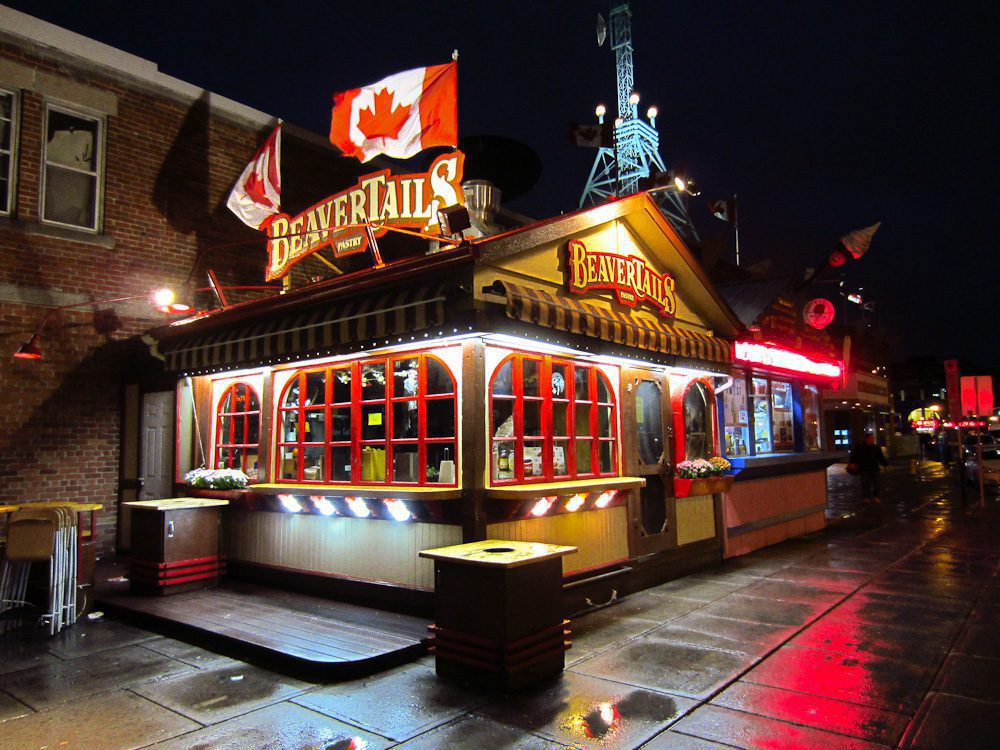
Concluding this historical tour, we revisit the iconic BeaverTails stand. This Canadian delicacy, resembling a beaver’s tail, is made of deep-fried dough covered in toppings like Nutella, marshmallows, and other confections.
The first stand opened in the 1970s on ByWard Market. By 1987, the franchise expanded beyond Ottawa, with its first outpost in Montreal. Even former U.S. President Barack Obama tried this Canadian treat during his visit to Ottawa in 2009.
Traditional Ottawa Dishes with a History
- Butter Tarts: Small pastries made with butter, sugar, eggs, and syrup, dating back to the 1600s.
- Tourtière: A meat pie traditionally served during Christmas and New Year’s, featuring seasoned ground meat in flaky pastry.
- Pea Soup: A classic winter dish made with whole yellow peas, herbs, and salted pork, served in its authentic form over a century ago.
Ottawa’s dining scene has evolved significantly over the past century. While tastes and preferences have changed, the city’s culinary heritage remains a fascinating testament to its history.