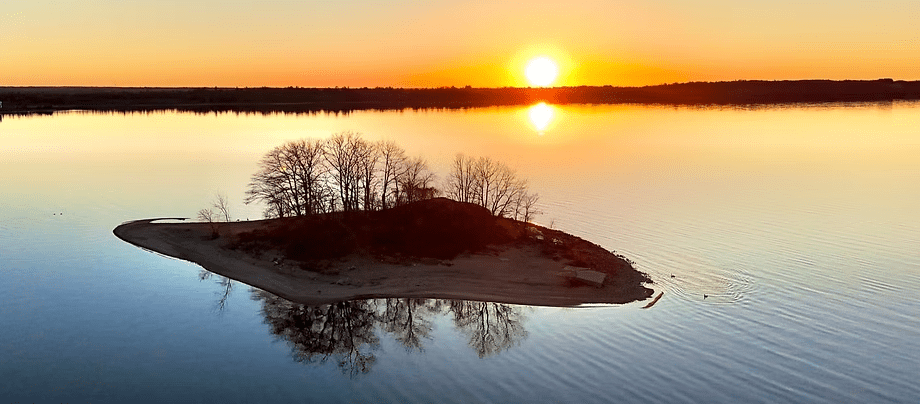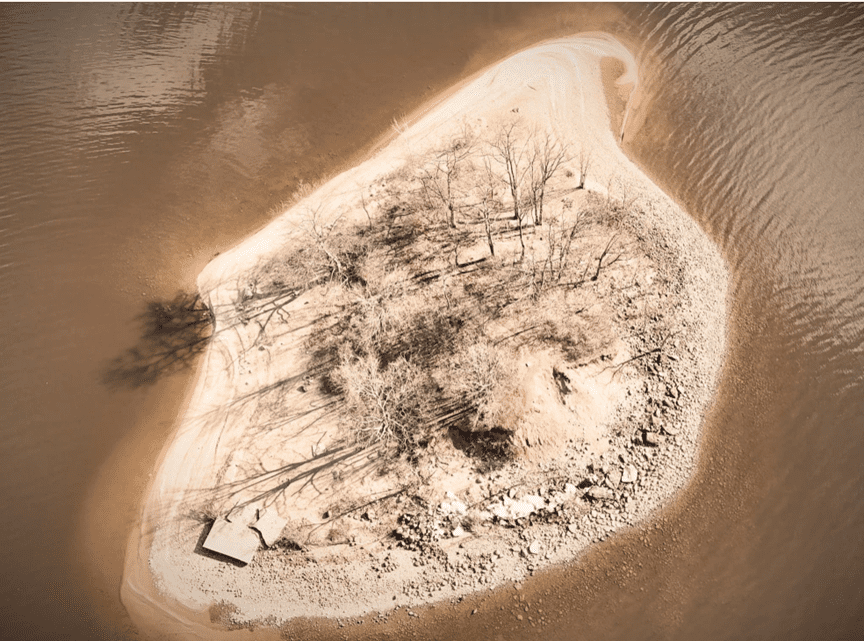

Back in March 2024, Andrew King, through his “Ottawa Rewind” blog, reminded locals about a mysterious little island in the Ottawa River, along with a short paddle and a kayak in Shirley’s Bay. For many, it was their first introduction to the island and the secrets it holds. iottawa.net delves deeper into this fascinating spot and its history.
Island History
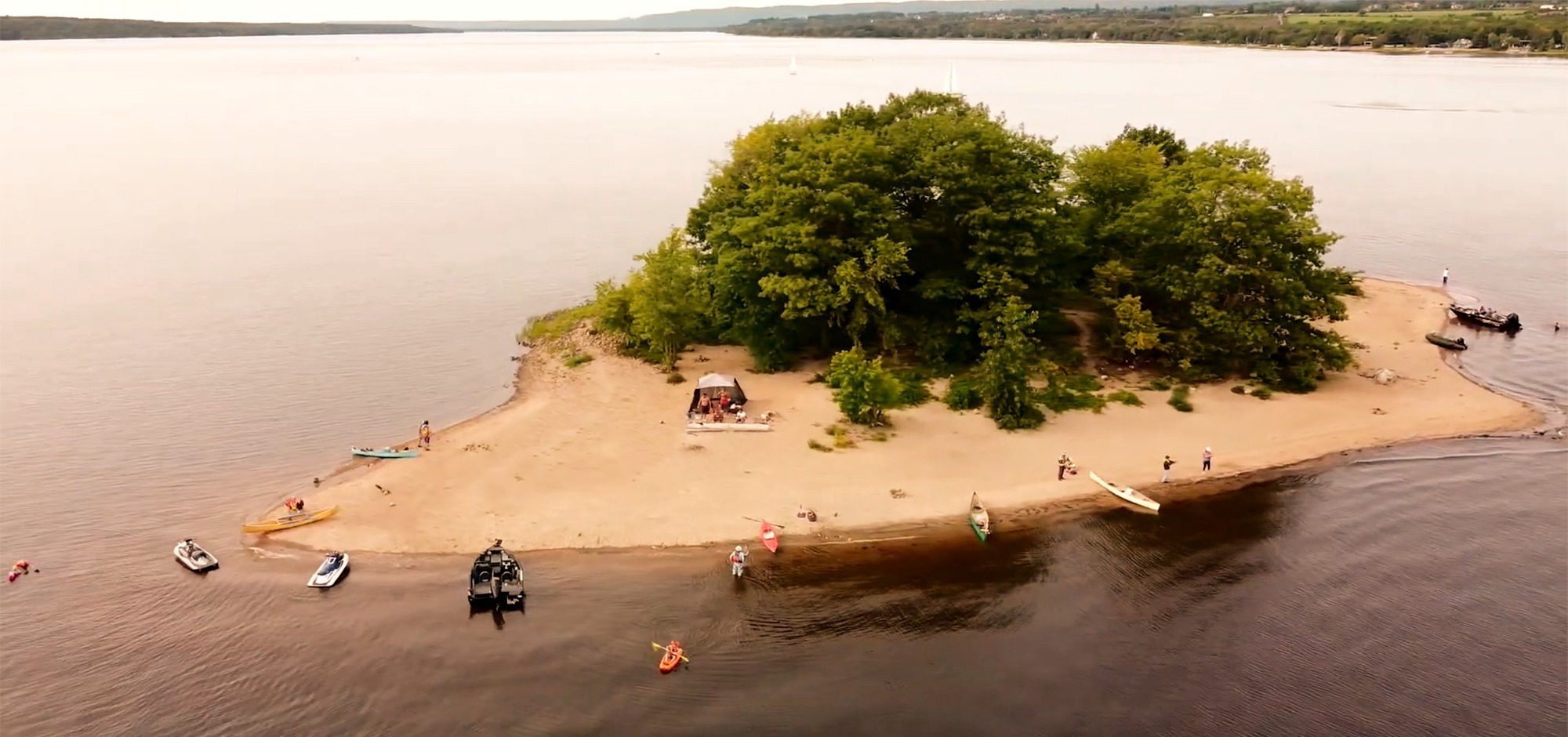
Aylmer Island, nestled in the middle of the Ottawa River, is a well-known landmark. It’s long been a popular spot for boaters and anglers to take a break, enjoy a picnic, or simply soak up the sun. Today, visitors often choose the island for day trips sailing on Lac Deschenes. Its beach and a small lighthouse are also big draws.
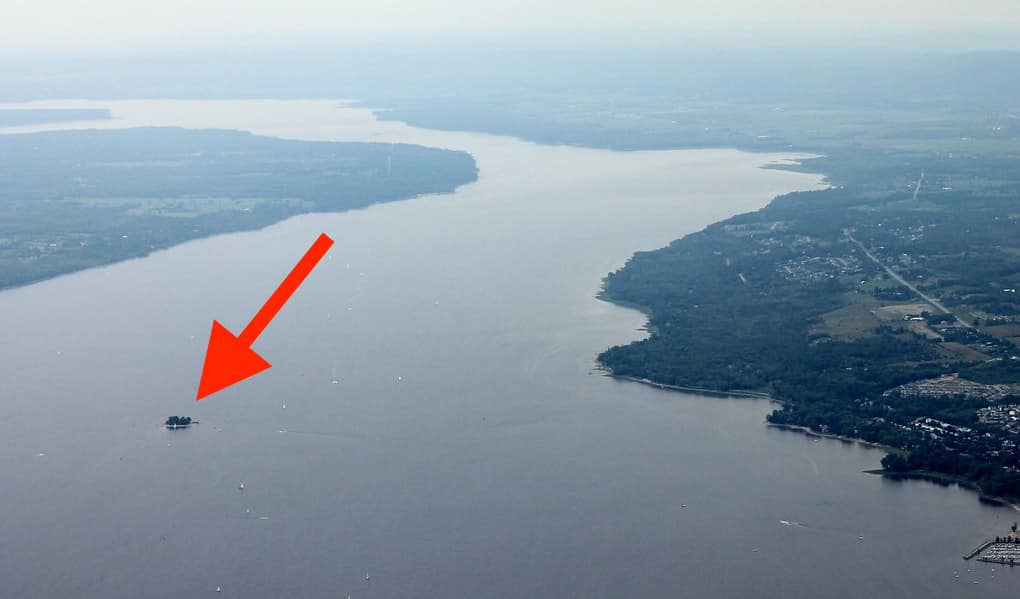
Let’s take a dive into the island’s ancient past. In 1883, it was known as Lighthouse Island after the Department of Marine installed a lighthouse there. The island itself is located in Ontario. Archaeological reports by Thomas Souther in “The Ottawa Field-Naturalist” (1899), specifically his article “Archaeology of Lac Deschenes,” first brought early burials on the island to light starting in 1895. Souther conducted extensive research on the island, and the Canadian Museum of History recognizes Thomas Walter Edwin Souther as the first archaeologist of the Ottawa Valley. He famously stumbled upon a significant cache of bones and artifacts, leading him to hypothesize about a “Feast of the Dead,” an ancient Huron tradition.
The “Feast of the Dead” was a burial custom where deceased relatives were exhumed from their individual graves and reburied in a final, communal burial pit. In 1636, Jesuit missionary Jean de Brébeuf documented this solemn and ceremonial ritual in Ontario. While mass reburials involved transporting remains to a new location, the Huron people never actually lived along the Ottawa River.
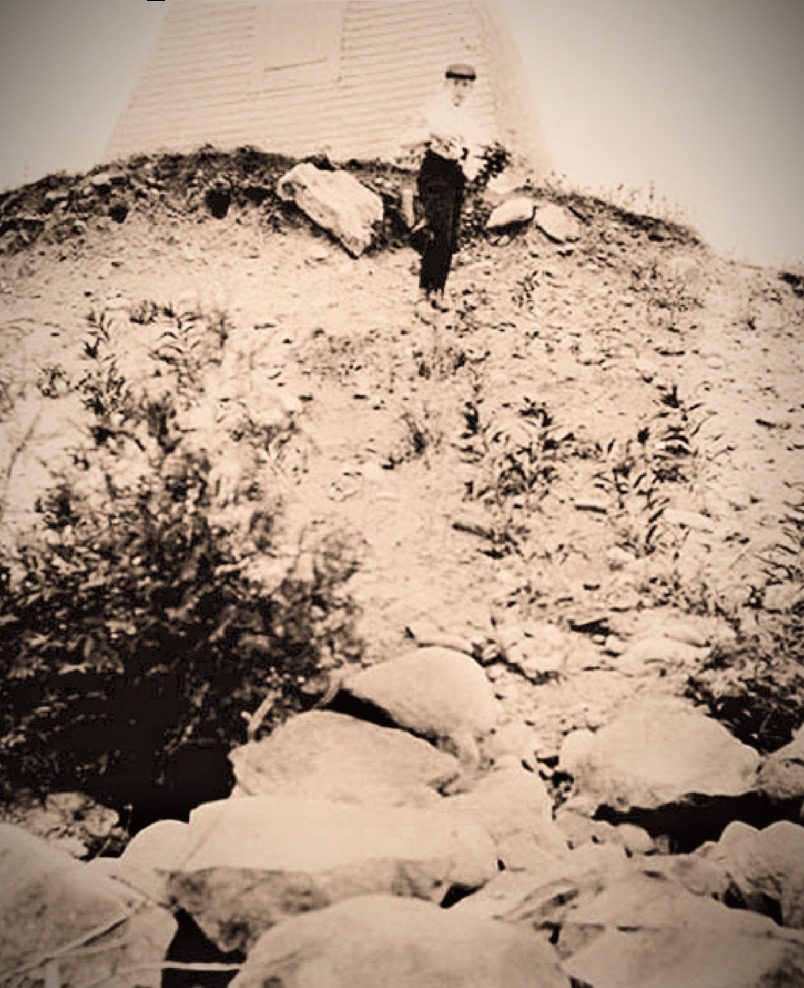
In 1898, the lighthouse on the island was dismantled to make way for a new one. During this work, a human skeleton was discovered, buried in a seated position. Alongside it were numerous ancient weapons and human hair wrapped in birch bark. Investigations revealed the individual had died from an arrow wound to the lower back, with the arrowhead piercing the lower vertebrae. Thus, in the early 1900s, while digging the foundation for the new lighthouse, a mass burial was uncovered, followed by several individual Algonquin burials.
Recent Discoveries
Rick Henderson has also shared stories of more recent discoveries. For instance, around 2020, a 14-year-old boy and his friends stumbled upon a large cache of bones while having a birthday picnic. This startling find spooked the boys, who quickly called for adults. Rick Henderson then contacted the Kitigan Zibi Anishinabeg Cultural Centre and the Pikwakanagan Algonquin First Nation Council. Both confirmed the bones were indeed ancient.
The island’s unique orientation, facing both sunrise and sunset, is particularly significant. The position of the sun played a crucial role in ancient burial rituals, which might explain why this island was chosen as a final resting place.
Island Mysteries
What’s intriguing is that many Ottawa residents remained unaware of this island for a long time. It’s also worth noting that the island is not protected from artifact hunters. This air of mystery only fuels interest, a fact confirmed by Andrew King’s “Ottawa Rewind” blog post titled “Ottawa’s Island of the Dead.” It sparked a lively discussion and considerable curiosity among locals, who began speculating about the origin and meaning of the bones and other artifacts found.
So, what truly lies beneath the sands of this small island? According to Andrew King’s research, dozens of buried skeletons, weapons, and a mysterious stone inscription are hidden beneath the one-acre island. All of this tells a story of ancient violence and rituals, holding significant archaeological value for modern generations. The bones have been unearthed in several elevated areas. Could it be that the beach itself is part of a larger burial ground?
In a way, the island also protects itself. During the summer, the island’s higher elevations are covered in poison ivy, deterring most visitors from venturing too far.
Challenges and Solutions
Some locals suggested fencing off the elevated areas as a solution. However, this isn’t a long-term fix due to the island’s isolation and the nature of the Ottawa River’s flooding.
Another issue is visitors who leave behind not good memories, but broken glass and picnic trash. While the island lacks permanent waste bins, some visitors do bring their own bags and clean up not only after themselves but after others as well.
Perhaps a simple solution would be to install signs around the perimeter of the elevated areas, indicating that it is a sacred burial ground. This would encourage people to steer clear of the beach area.
No Longer a Secret
At first glance, it’s just an innocent sandy island, only 18 kilometers from downtown Ottawa. Yet, most residents and visitors to Canada’s capital rarely realize what truly lies beneath its surface.
Unlike the well-maintained graves in the Ottawa Valley, this island, with its ancient burials, regularly sees picnics, camping, and general recreation. All of this suggests that it’s time for a change. The community needs to take the time to honour these ancient Canadian ancestors and shift how we view this remarkable island.