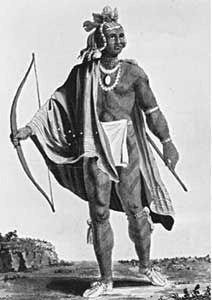

The “Ottawa” tribe and other Indigenous groups historically inhabited the lands of modern-day Ottawa. They had their own language, customs, and traditions. These communities engaged in hunting and cultural activities and developed a unique style of clothing and adornments. Learn more with I Ottawa.
The “Ottawa” Tribe
The name “Ottawa” translates to “traders,” a fitting title for the Indigenous peoples of modern-day Ottawa. Historically, the tribe engaged in fur trading across much of Canada. The capital city of Canada is named in their honour. In their language, the tribe referred to themselves as “Anishinaabe,” which translates to “original person.”
The “Ottawa” tribe was politically independent, with its own government, laws, police, and other services. The tribe’s political leader was called a chief, or ogimaa in the Ottawa language.
Historically, the Ottawa people lived in wooden dwellings constructed from birch bark, called wigwams. Their settlements also included longhouses and sweat lodges for warmth during colder months.
Children of the “Ottawa” tribe were often engaged in work, primarily helping with household tasks. In their free time, they played with dolls. Mothers carried infants in special cradleboards strapped to their backs.
The women of the tribe primarily managed farming, child-rearing, and cooking, while the men hunted and engaged in warfare.
The Ornaments of the “Ottawa” Tribe
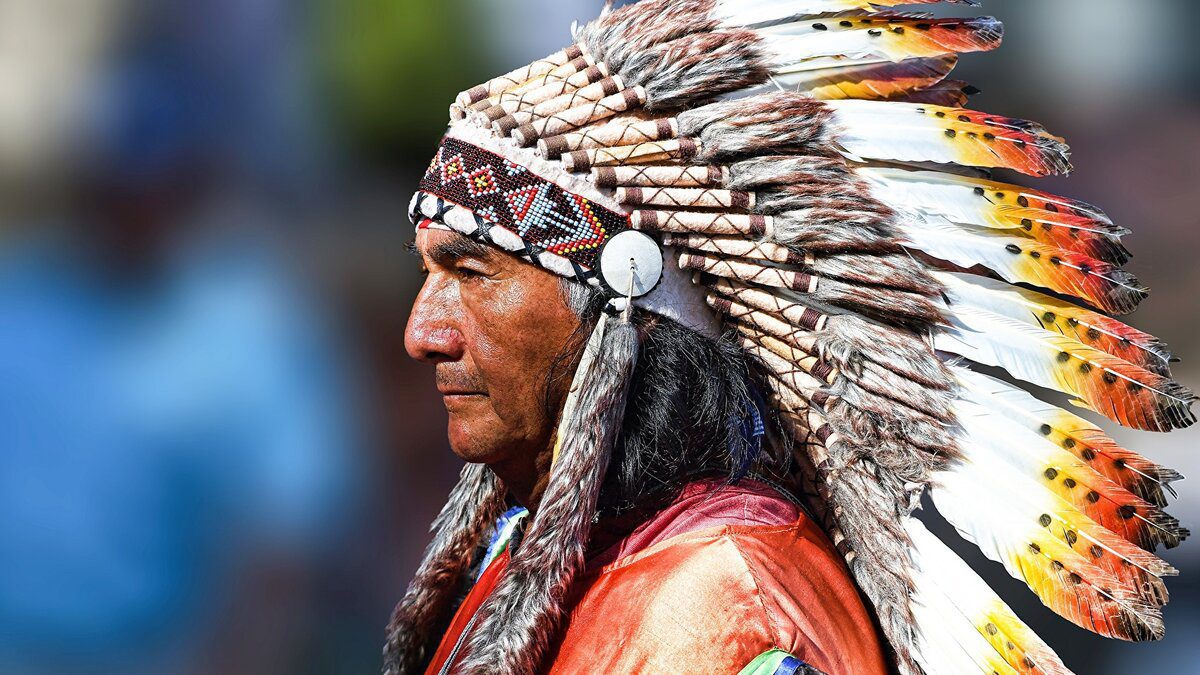
Like many Indigenous peoples around the world, the Ottawa tribe had its own distinctive ornaments that set it apart from other tribes. Members of the tribe, both men and women, adored various adornments, especially beadwork. Beads held great significance for the tribe, used not only for creating jewelry but also for decorating almost every piece of clothing.
Another traditional accessory was the leather headband, often adorned with feathers and other decorative elements. Almost every member of the tribe wore such a headpiece.
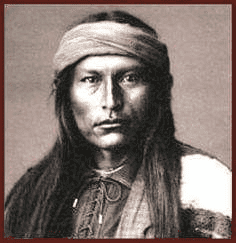
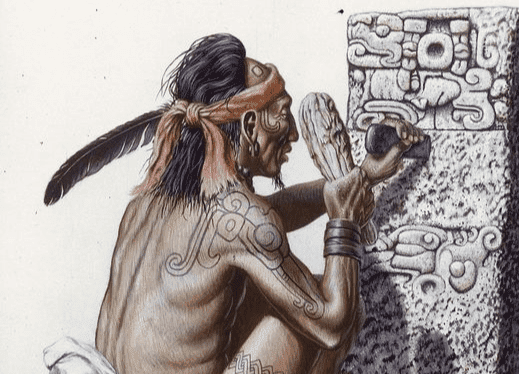
Earrings were also a staple ornament for the Ottawa people. They wore earrings not only in their ears but also in their noses. Noses were typically adorned with circular rings, while earrings varied in style. Some were made of beads, others of feathers, and some were simple rings. The tribe favoured large, bold earrings.

Body art was another essential form of adornment for the Ottawa tribe. They painted their bodies almost entirely, including their faces, arms, and legs, with diverse designs. Men often painted their bodies for hunting or battles, while women used body paint as a festive decoration.
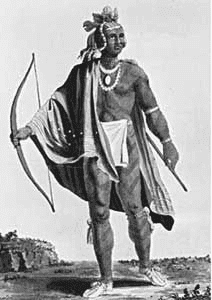
In the early 19th century, headdresses and hairpins became significant ornaments within the tribe. Men’s headdresses grew taller and more elaborate, while they styled their front hair high with the help of grease. These hairstyles were often complemented with decorative hairpins shaped like insects, such as beetles or cockroaches.
For the Ottawa people, adornments remained a vital aspect of their identity over the years. They adorned not just their clothing but their entire bodies, showcasing their deep appreciation for decorative art and tradition.