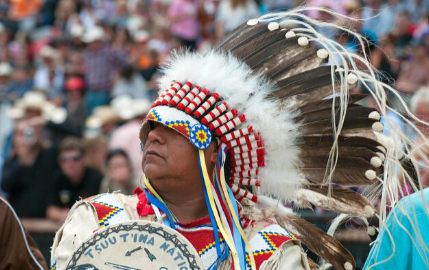

Historically, the lands of modern-day Ottawa were inhabited by various Indigenous tribes living along the river that flowed through the Ottawa Valley. The ancient peoples of Ottawa had a distinctive style of clothing and adornment, influenced primarily by the Indigenous traditions developed over centuries and later by the European colonizers who arrived in the 17th and 18th centuries. Their clothing was practical, designed to suit the region’s weather conditions, which were much colder in ancient times. Traditional elements like parkas, Ojibwa shirts, capote blankets, mittens, and other warm clothing are still considered iconic pieces of Canadian heritage. More about this is shared on iottawa.net.
How Did Colonization Influence the Clothing Style of Ottawa’s Ancient Peoples?
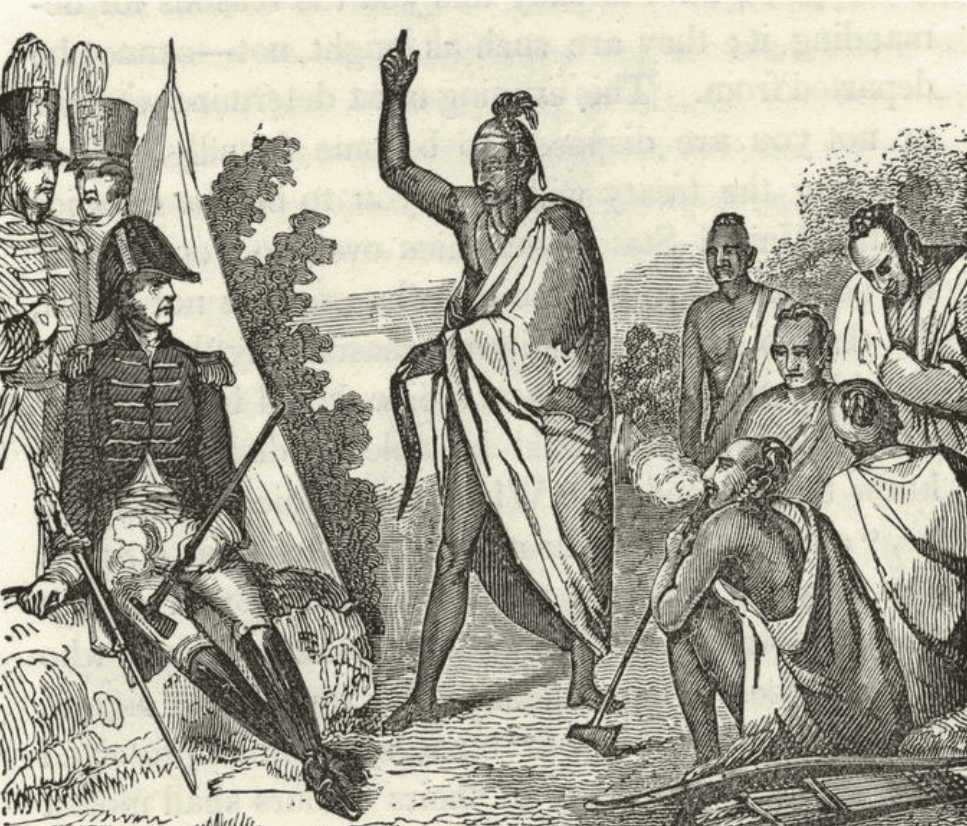
The ancient peoples of Ottawa in the 16th–18th centuries had their unique clothing, face paint, and accessories. Each tribe’s style was distinct, reflecting their traditions and way of life. However, this changed with the arrival of European colonizers in the 17th century. Traditional styles began to blend with European fashion.
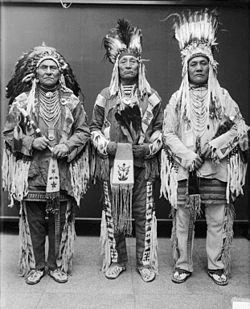
In the 17th century, popular attire included feathered headdresses and fringed deer-hide garments. By the 19th century, Indigenous styles had transformed further under European influence, incorporating beaded jackets, wool sweaters, shirts, flowing dresses, patchwork skirts, and other items.
Colonization had a lasting impact on the fashion of Ottawa’s Indigenous peoples, blending European elements into their traditional styles.
What Did Ottawa’s Ancient Peoples Wear Before Colonization?
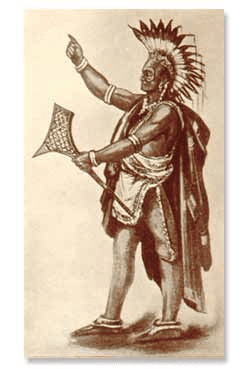
Before European influence, Indigenous men commonly wore trousers paired with skirt-like garments, loincloths made from fabric or leather, and warm fur pants during colder months. Their clothing was crafted from natural materials and dyed with natural pigments, often adorned with feather and bead embroidery, and accessorized with carved wood or bone pieces. Body painting was also a common practice.
One of the most unique items was their feathered headdresses, which were large, colorful, and instantly recognizable. These varied between tribes, showcasing their individuality. Footwear, made from natural leather, was designed for practicality and silence during hunting. Similar to modern moccasins, these shoes were comfortable and functional. Additionally, ancient Ottawa peoples wore boots called mukluks, precursors to today’s trendy ugg boots.
Indigenous women’s attire included leggings, skirts, tunics, shirts, and mantles. Like men’s clothing, each tribe’s designs were unique, but their footwear mirrored men’s styles, primarily moccasins and mukluks.
The Fashion of Ottawa’s Peoples in the 17th–18th Centuries
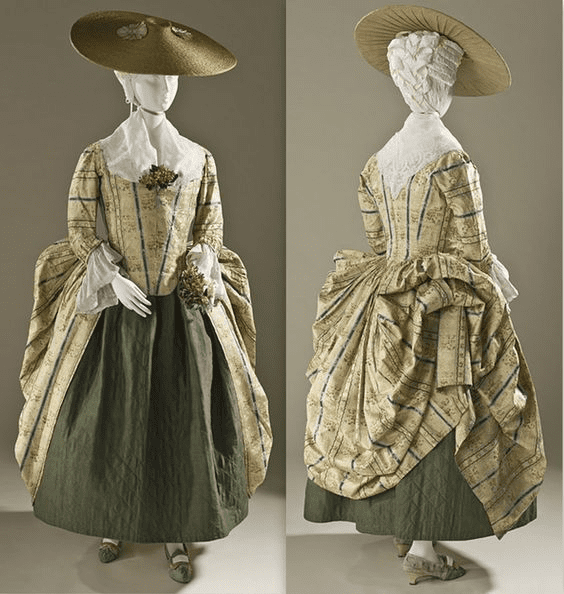
With the mass colonization of Canada in the 17th century, the style of clothing in Ottawa underwent significant changes. European designs began to dominate, with imported English and French clothing becoming prevalent. Wealthier residents ordered clothing from Europe, while others made garments from local materials like leather and fur.
European fashion often arrived in Canada after delays, making it slightly outdated by European standards. Men’s styles during this era included wigs, luxurious fabrics, lace, and breeches. Despite adopting European trends, many Indigenous people preserved elements of their traditional attire.
Women’s fashion incorporated tops and skirts, corset-style bodices, knee-length shirts (common among the working class), aprons, and caps.
How Did Ottawa’s Fashion Evolve in the 19th Century?
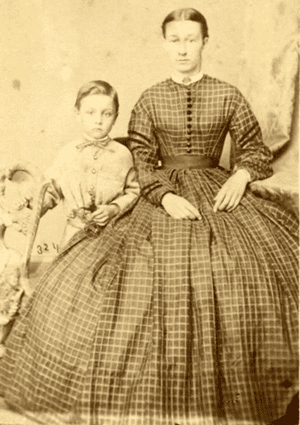
In the 19th century, men’s breeches were replaced by trousers, and belted jackets and hoods became fashionable. European-style clothing began to integrate leather and fur elements popular among Indigenous peoples. Moccasins remained a staple, and items like leggings and capote blankets were adapted into modern coats.
Women continued to prioritize practicality due to harsh weather conditions. Stylish yet functional clothing like long skirts, corsets, and tailored jackets were favored, while warm moccasins replaced less practical European shoes.
Which Elements of Ancient Ottawa Styles Persist Today?
Some elements of traditional Ottawa styles have survived into modern fashion, including:
- Parkas
- Underwear
- Earmuffs
- Scarves
- Gloves and mittens
- Wool hats
- Linen or leather jackets
- Leggings
- Ojibwa shirts
- Trousers
- Moccasins
Just like in ancient times, modern Ottawa residents’ wardrobes are largely influenced by weather conditions. Today, much of the clothing is unisex, and traditional Indigenous elements have inspired mainstream Canadian fashion.
Due to the diverse population that shaped Canada—comprising Indigenous peoples, English and French colonizers, and others—there is no singular Canadian traditional attire. Instead, the fashion developed through centuries of borrowing from various cultures, resulting in a rich, blended heritage.