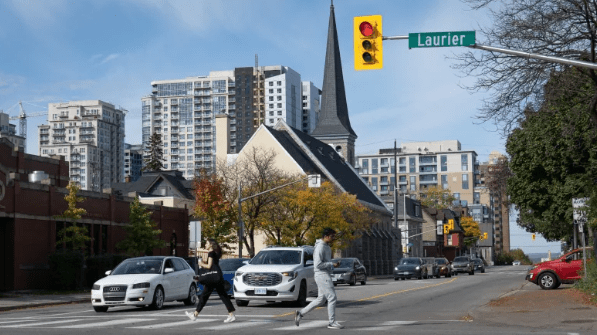

In Ottawa, like in many cities worldwide, streets are named or renamed in honour of notable local figures who made significant contributions to the development of the city and Canada. Streets in Ottawa bear the names of artists, musicians, politicians, inventors, and other prominent individuals integral to Ottawa’s history.
Dating back to the early settlement of Bytown, streets were named after the first settlers to preserve their legacy. This tradition continued when Bytown gained city status and was renamed Ottawa. Let I Ottawa guide you through the stories behind some of these streets.
LeBreton Street
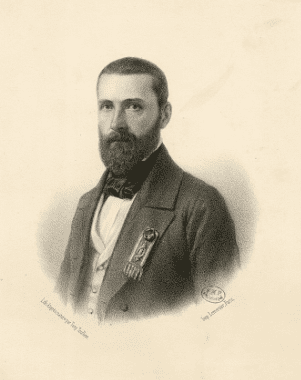
One of the streets in old Ottawa was named after Charles LeBreton, a resident of Jersey who became one of the first settlers in Nepean. LeBreton was distinguished for his role during the War of 1812. Around the same time, plans emerged to build the Rideau Canal, a crucial waterway for vessels. The canal was initially slated to pass through LeBreton’s land, which he had purchased after moving to the Ottawa area. In 1826, LeBreton launched a legal battle against the canal’s chief engineer, Colonel By, and Governor General Dalhousie. He spent significant funds defending his land and succeeded in having the canal route moved elsewhere, inadvertently influencing its final location.
Sparks Street
Sparks Street is named after Nicholas Sparks, an Irish immigrant who fled religious strife and arrived in Canada in 1816. Sparks worked in the lumber industry and owned significant tracts of land, some of which he sold for the construction of the Rideau Canal. Deeply religious, Sparks donated land for Anglican and Presbyterian churches in Ottawa.
Sparks played a crucial role in Ottawa’s governance, naming several city streets. For example, O’Connor Street was named after his friend, the treasurer of Dalhousie County, while Slater Street honoured his brother-in-law, a surveyor, superintendent of the Rideau Canal, and head of Ottawa’s school board.
Bell Street
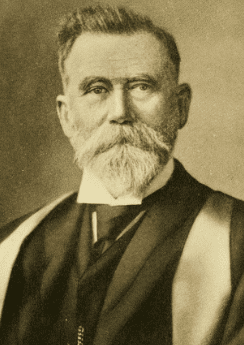
Robert Bell was a pivotal figure in developing Ottawa’s railway system. A geologist by profession, Bell was a renowned explorer who named over 3,000 Canadian geographical features. His work significantly advanced the scientific and infrastructural growth of the city.
Bruyère Street
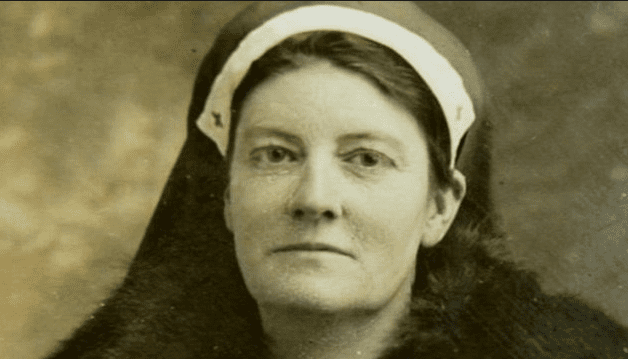
Bruyère Street honours Mother Élisabeth Bruyère, founder of the Grey Nuns and the Ottawa General Hospital. Her initiatives also included establishing shelters, hospices, and homes for women in need, making her a transformative figure in the city’s social services.
Guigues Street
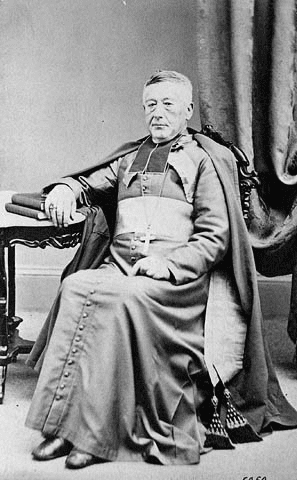
Named after Monsignor Joseph-Eugène-Bruno Guigues, Ottawa’s first Roman Catholic bishop, this street commemorates his role in founding an educational institution that would later become the University of Ottawa.
Bronson Avenue
Bronson Avenue pays tribute to Erskine Henry Bronson, a prominent Ottawa businessman who owned a major lumber company. His contributions extended beyond business, leaving a lasting legacy in the city’s economic history.
Ahern Avenue
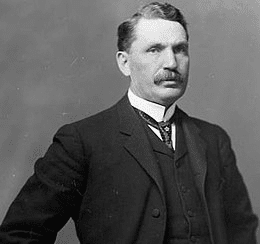
Named after Thomas Ahearn, a pivotal figure in Ottawa’s development, Ahern was an innovator in the field of electricity. In the late 19th century, he invented the electric streetcar and electric brushes for clearing snow from tram tracks. Ahearn’s company produced streetcars for Ottawa and other Canadian cities, solidifying his reputation as a technological pioneer.
Booth Street
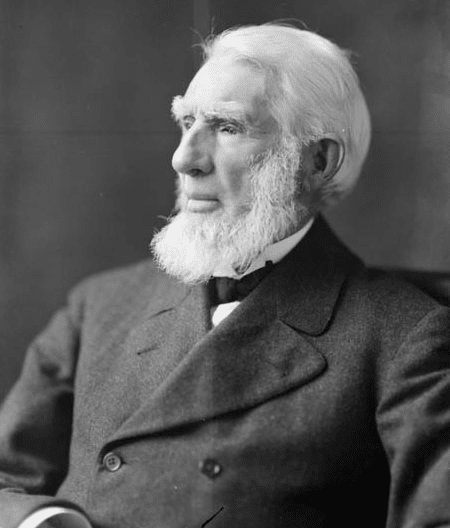
Booth Street honours John Rudolphus Booth, a legendary Canadian lumber baron. Near the Chaudière Falls, Booth established a shingle factory, later expanding into the production of lumber, pulp, cardboard, and paper. He actively managed his business until his death at the age of 98.
Crerar Avenue
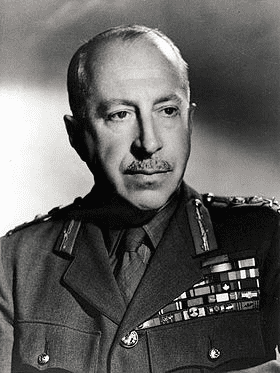
This street is named after Henry Duncan Graham Crerar, one of Canada’s greatest military leaders. During World War I, Crerar joined the Canadian First Division as an artillery officer and rose to the rank of lieutenant colonel. By World War II, he had become a brigadier general, Chief of the General Staff in 1940, and Commander of the First Canadian Corps in 1941. He was the first Canadian to achieve the rank of general while serving on the front lines.
Fleming Avenue
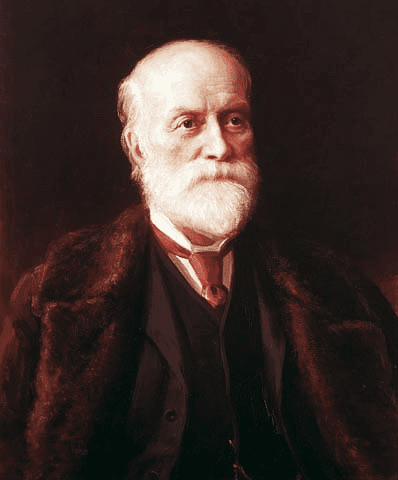
Sanford Fleming, an engineer, writer, diplomat, and explorer, belonged to the generation of Victorian visionaries who helped build the British Empire. Fleming was instrumental in the development of Canada’s railway system, serving as Chief Engineer of the Northern Railway in 1857 and the Canadian Pacific Railway in 1871.
Fleming also created and published Canada’s first large-scale geodetic map and authored numerous scientific works. His contributions significantly advanced the nation’s infrastructure and scientific knowledge.
Grant Street
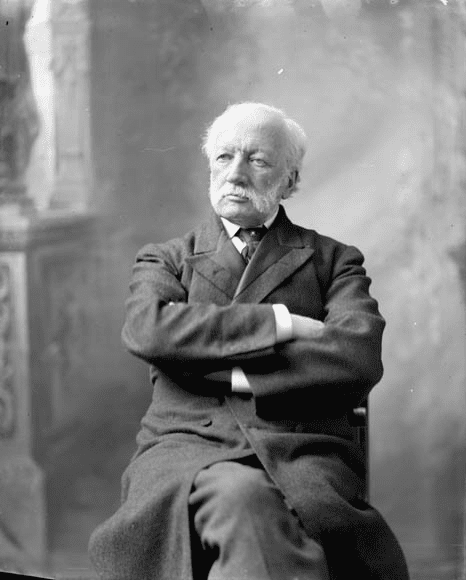
James Alexander Grant, a Scottish immigrant, established a medical practice in Bytown, where he served as the personal physician to several Governor Generals from 1867 to 1905. In addition to his medical career, Grant was a member of Canada’s first Parliament under John A. Macdonald, President of the Canadian Medical Association, and a Fellow of the Royal Society of Canada. Queen Victoria knighted him for his contributions.
Holland Avenue
Holland Avenue is named after the Holland family, 18th-century land developers in Ottawa. Together with Thomas Ahearn, they founded the Ottawa Land Association.
Andrew Holland, a prominent member of the family, was a parliamentary reporter who became the official stenographer for the Canadian Senate. He also advocated for transforming Ottawa into a federal district. Andrew and George Holland established one of Ottawa’s earliest cinemas, marking their contribution to the city’s cultural development.
Lewis Street
John Bower Lewis, a distinguished lawyer, served as Bytown’s mayor from 1847 to 1848. After Bytown was renamed Ottawa and gained city status, Lewis was re-elected as mayor from 1855 to 1857, demonstrating his enduring influence on the city’s early governance.